Follow us on Instagram (@slowdown.media) and subscribe to our weekly newsletter to receive behind-the-scenes updates and carefully curated musings.
TRANSCRIPT
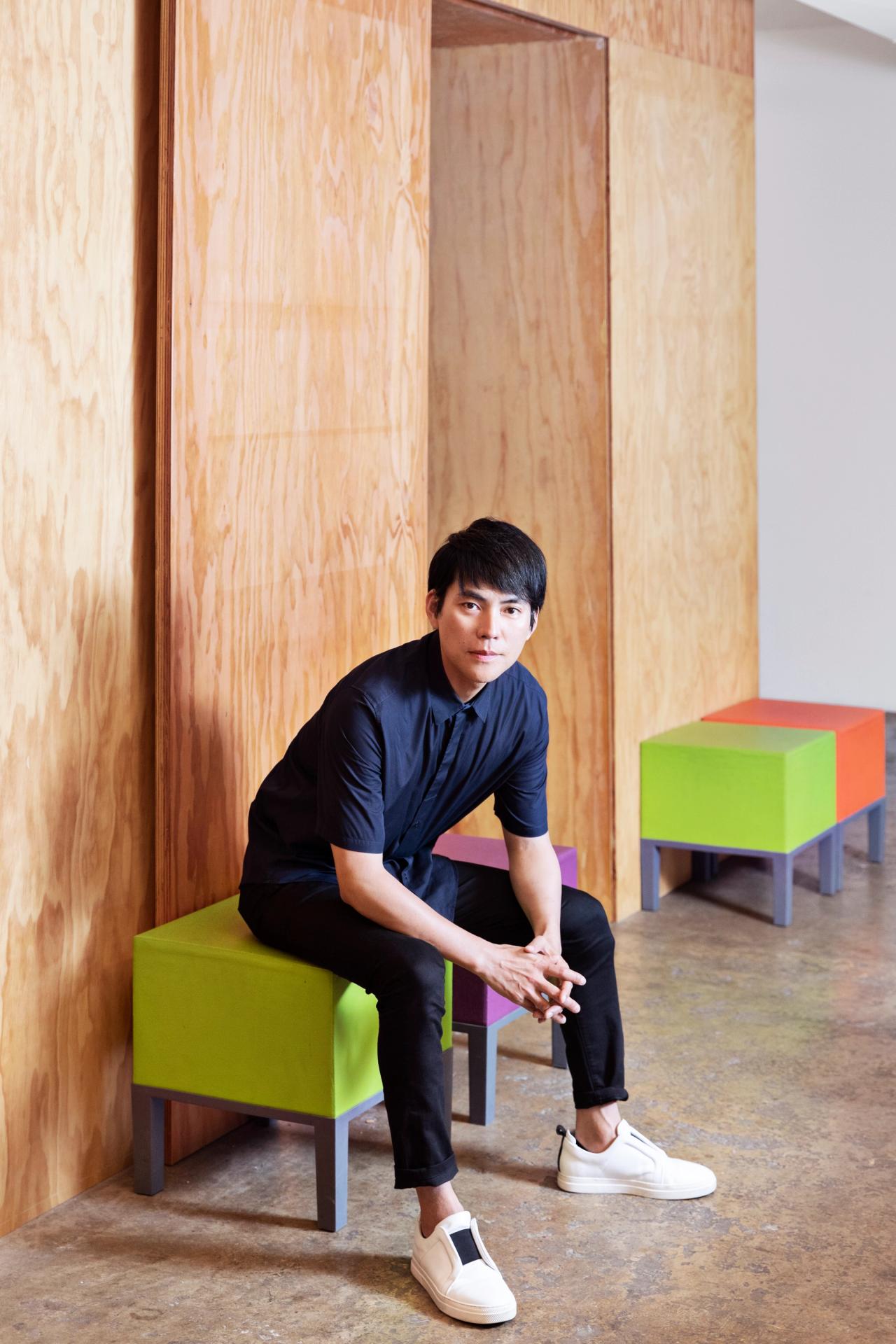
Shohei Shigematsu at OMA New York. (Photo: Naoko Maeda)
SPENCER BAILEY: Hi, Shohei. Welcome to Time Sensitive.
SHOHEI SHIGEMATSU: Thank you.
SB: I should say we’re here in the Hotel Chelsea...
SS: It’s so cool.
SB: ...which I’ll bring up during the episode. But I wanted to start with the fact that OMA is basically fifty years old. It was started in 1975, so recently turned fifty, and you’ve been with the firm for more than half that time.
SS: That’s true.
SB: Since 1998, so twenty-six years, and a partner for nearly twenty of those. It’s worth noting, too, that you were born in ’73, so you were just 2 years old when the firm was founded.
SS: Yeah.
SB: I wanted to ask, how do you think about this half century of time when it comes to OMA? What would you say is the firm’s—and I guess, connected to that, Rem Koolhaas’s—ultimate legacy at this point in time?
SS: I think it represents the firm’s ambition. OMA stands for Office for Metropolitan Architecture. I think the actual embodiment of making architecture in metropolitan cities started right around the time that I entered; ’95 was Windows 95 and also the Guggenheim Bilbao, S,M,L,XL, all around that time, really the world embracing globalization and believing that architecture can contribute to those, kind of.
I think I entered at the right time. The office was growing, but also becoming more and more international, and someone like me was maybe quite useful in that. Somehow, through that wave of globalization, I could work in many different regions and countries. Somehow, that mode is continuing. Although, of course, the notion of globalization has been challenged now.
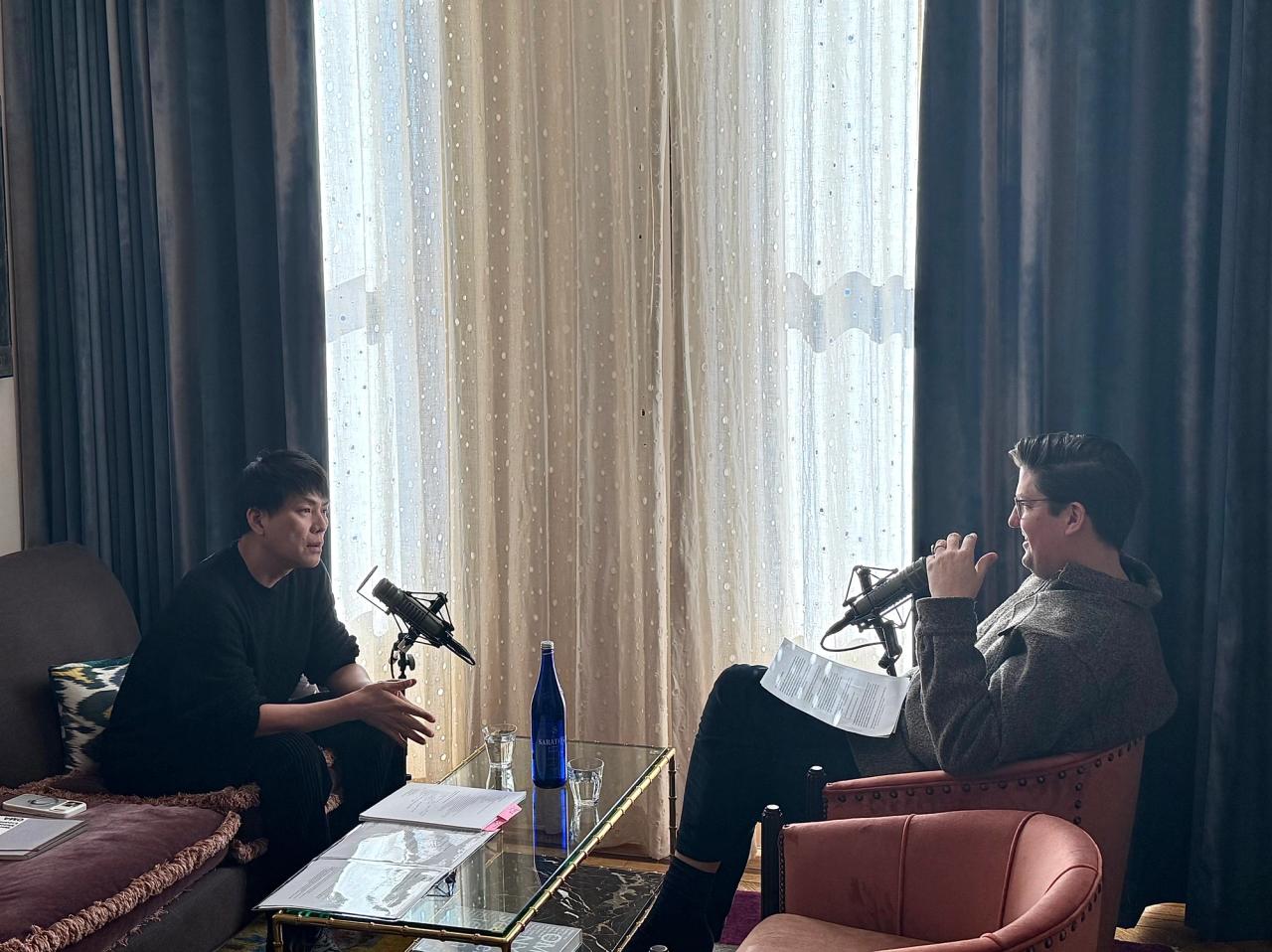
Shigematsu (left) in conversation with Spencer Bailey at the Hotel Chelsea.
I was really part of that, but now we have to really rethink. So I think the fifty years, I think it’s the right moment to rethink how the Office for Metropolitan Architecture could readjust.
SB: Yeah. Or even the definition of a city now versus then. I think about how the book Delirious New York came out just three years into the firm’s trajectory, in 1978. Tell me about that book in the context of this conversation, because I’m curious, how did that book impact you as a young architect? How do you think about the things Rem was writing about in that book?
SS: I think there are two things. It was kind of a manifesto-based architect’s visions that were mainstream. Architects had to have the kind of physical, and also philosophical, manifestations about cities or architecture in general. But through [Robert] Venturi [and Denise Scott Brown and Steven Izenour] and Rem’s period, I think the observation became a very powerful tool when society had started to change so fast. It wasn’t about a single definition; it was about observing the changes that gave the power to actually inform architects and people of how the city could change or how a city could evolve. I think Delirious New York is that.
“Storytelling is very strongly embedded in OMA’s DNA.”
Also, storytelling. I think that storytelling is very strongly embedded in OMA’s DNA in terms of also making architecture.
SB: Yeah. We forget, I think, how so much of what gets built or realized in the end starts with a story. You have to have a compelling story to get something built. Certainly in the case of that book, it’s an interesting way of packaging or thinking about a city, this “delirious” idea. He writes about the Downtown Athletic Club, which I know you’ve spoken a little bit about.
SS: Yeah. I think it’s also not just storytelling, but it’s a hypothesis, creating interesting links that goes beyond just the historical facts. And a sense of humor: In that Downtown Athletic Club, the guy eating oysters with boxing gloves, and mixed-use—the potential of mixed-use at that point is spot-on. Right now, the kind of mixed-use is basically the dominance of urban architecture. His sense of observation was quite sharp.
SB: Yeah. I feel like the Hotel Chelsea could even have been a character in that book. [Laughter] I was actually researching this morning the history of this building, and it was constructed between 1883 and 1885 as one of the city’s first private apartment co-ops, and was among the tallest buildings in New York City at that time.
SS: At that moment? Really?
SB: Yeah.
SS: But one thing I would like to mention about Delirious New York is also how Rem is always so good at creating a certain level of distance to architecture, and he always has this level of healthy skepticism to a straightforward architecture industry. He’s basically saying that, when Manhattan was built, there was no notion of architecture, right? It was an economy and basically fantasy from Coney Island. An ability to create a healthy distance to architecture is something that is also in OMA’s DNA.
SB: Yeah. The ability to be able to think about it as something other than architecture, in a way.
SS: Exactly.
SB: How it connects to society and culture and…
SS: Exactly. It’s getting more and more relevant now.
SB: So, turning in particular to OMA New York, what’s your view on OMA New York in this fifty-year evolution?
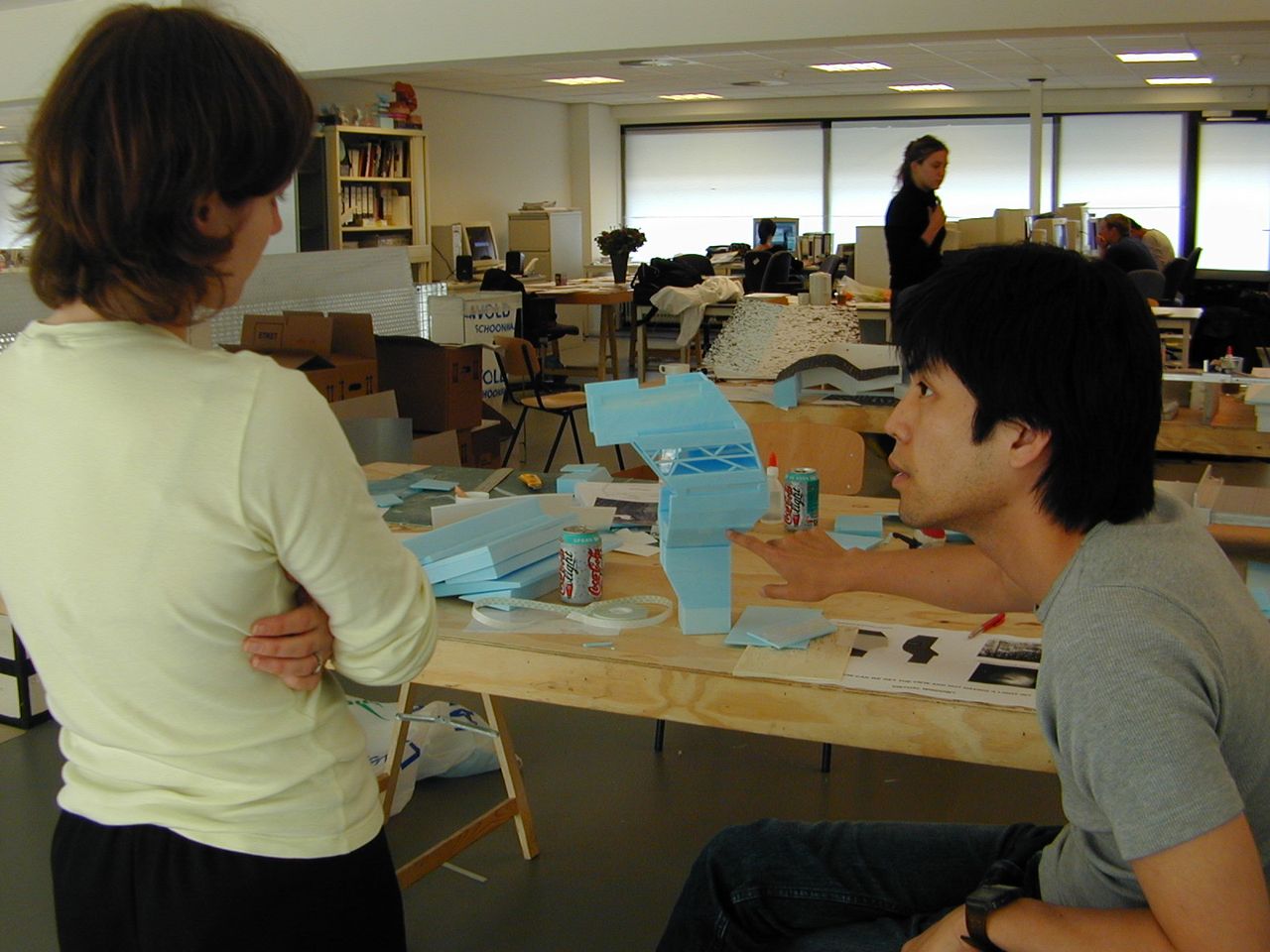
Shigematsu, right, with a colleague at OMA Rotterdam’s office, where he led the Whitney Museum extension proposal. (Courtesy OMA New York)
SS: For me, it started as a part of this kind of globalization, right? So it was an outpost; it was a kind of side office or not a main office, but the physical distance at that moment to Rotterdam and the fact that at that moment was a George W. Bush regime, where I think a lot of Europeans had some level of skepticism because of this post-9/11, Iraq. And the rise of China and the Middle East, a lot of people had focused in different directions. At that moment, the U.S. was not really the place to be or place to go—at least in OMA, let’s say. So somehow, that made me or the New York office somewhat isolated.
But in the beginning it was very difficult because, of course, OMA equals Rem Koolhaas at that point. Wherever I went, the comment I got was, “Where is Rem?” So we had to rapidly change the course of being an outpost to a somewhat independent office, because we couldn’t rely on Rotterdam, so that maybe was kind of the right way to take it. I quickly just started treating ourselves as just like any other young office to start with, because we started with only five people anyway.
That somehow made OMA New York a little bit more unique and independent than a typical other office. Also for me, coming from Japan, being in Rotterdam for ten years, working globally in China, Russia, the Middle East, I kind of lost the kind of sense of belonging to a culture or city. In New York, right after I started, there was the Lehman shock. So I didn’t have work. I could really belong to the community here, started teaching, meeting people, spent a lot of time understanding the city, walking. I had a lot of time, because there was no work. I think that made a healthy ground for me to face—
SB: You became a New Yorker.
SS: Not necessarily a New Yorker, per se. I wasn’t really... Yeah. I mean, I hope I am by now. But to say that I’m based here and then I have a level of community and understanding of this city and then work on the projects that are outside of this city. It was very difficult, after ten years of global existence, to have a ground or a base. That period was very important for me to create that base. Then that relates to the identity of OMA New York, too. “Okay, let’s make not a part of a global office per se, but let’s make an office that is based in New York and at least has strong connection to New York City.”
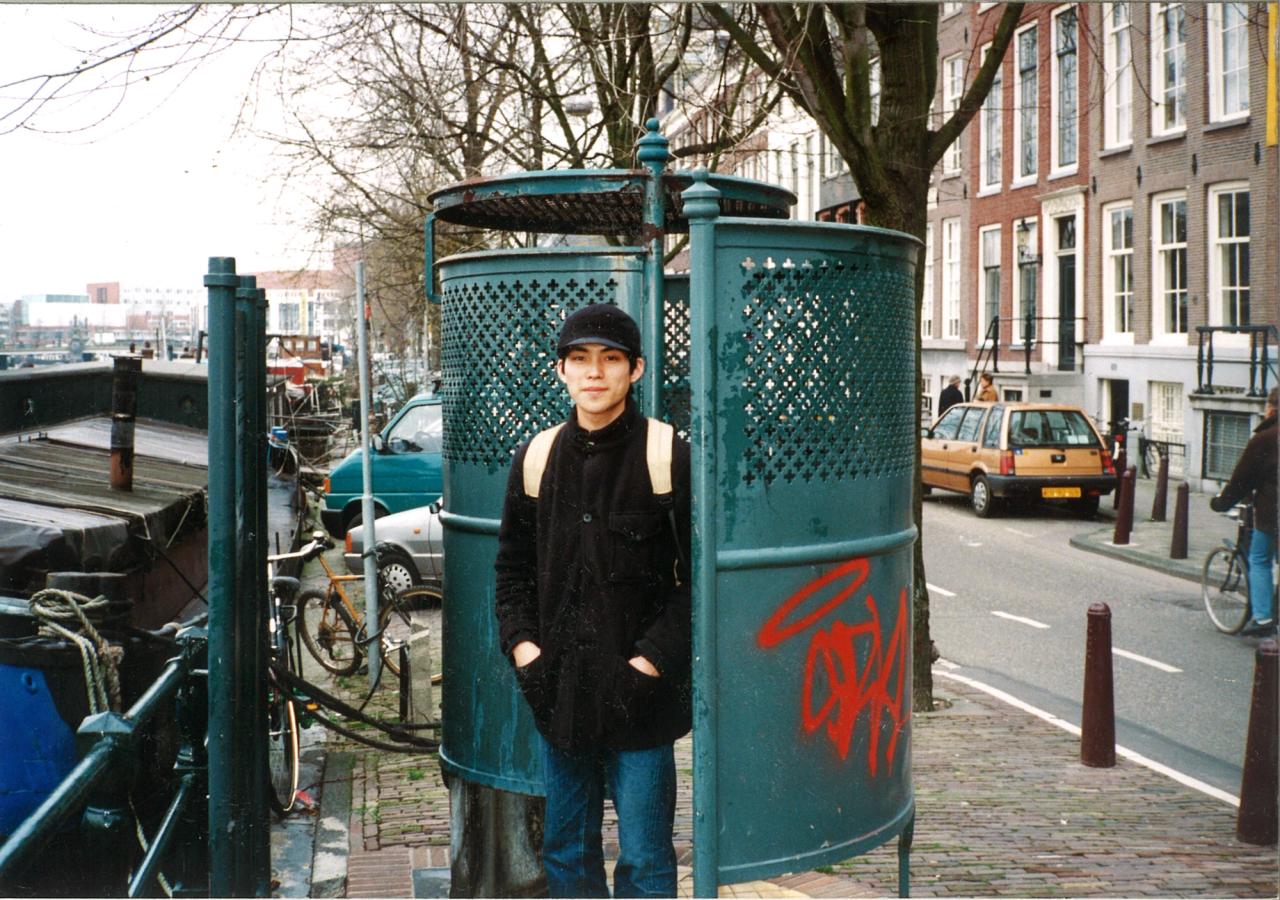
Shigematsu in Amsterdam during his student years at Berlage Institute. (Courtesy OMA New York)
SB: Yeah. In and of New York. But also interestingly, I think—just kind of full-circle, going back to Delirious New York—New York was already kind of, in that sense, embedded in OMA’s DNA.
SS: That’s exactly the type of comment that I was receiving, but that’s exactly what I had to combat, because I didn’t write Delirious New York and, in order to say that OMA New York is X, I couldn’t refer too much to Rem. So, yes, it is. A lot of people make that association, but I was deliberately trying to not link our identity to Rem’s fame or achievements in New York.
SB: We’ll definitely get into that lifespan and where you’re at now. But I was thinking about time in architecture, obviously this being a podcast about time, and how the typical lifespan of a building is really only about fifty years. Some buildings, of course, maybe a hundred. But the fact that the building lifespan is only that period of time, now I guess in light of the firm reaching that precipice itself, I’m wondering, how are you thinking about the work you do, the buildings you complete and create fifty or a hundred years from now? What sort of futures come to mind for you when you’re working now in 2026 as an architect?
SS: Well, I think that the lifespan of a building, sometimes the contracts in institutional projects, you have to promise that it’s a hundred years. So we think that, we believe that what we are doing could last longer, because we believe in the synergy between the users, the program and users to the physical space because, well, I personally think that the most iconic building is a building that can provide an iconic place. The place means where the programming and activity is completely in sync, at the highest level, to the physical space. So a really program-focused approach will give, hopefully, a kind of lifespan that the building will be loved and used, hence it will be maintained, hence it will last longer rather than just a box where you don’t have so much link to the activities.
But it depends on the typology, too. I mean, do you think of a hundred and fifty years later when you’re making a podcast?
“The most iconic building is a building that can provide an iconic place. The place means where the programming and activity is completely in sync, at the highest level, to the physical space.”
SB: [Laughs]
SS: We have to believe in the zeitgeist and what we are delivering at this moment with the best possible understanding of the current world and how it could evolve. We just have to believe that it will last long, but it’s not just architects’ responsibility. It’s also clients’ responsibility to spend enough money or spend enough resources to predict or to create that kind of ambition.
SB: Yeah. The life of a building isn’t just the actual lifespan. It’s what occurs in and around it. It also makes me think about the culture a building—or series of buildings— can create, which also is a very Japanese idea in some ways. I think about how some structures in Japan, they’ve been around for thousands of years because of how they’re maintained and used.
SS: Yeah. But at the same time, Japan has a notion of so-called “scrap and build,” because it comes from the fact that many structures or architecture were in wood and also a lot of earthquakes, war, hurricanes, you name it. It’s a country of natural disaster. So, the notion of rebuilding is slightly different from the West. But I think there is a kind of rethinking of that. As you say, there are actually wooden structures that are there for hundreds of years. So, what I’m trying to say is it really depends on how that building is used and loved and programmed that determines the lifespan, and it’s unpredictable to some degree. But I think if you’re very careful about listening to users or how the general public is interacting with the building and leaves some open-ended spaces that could be transformed into future uses, I think the building lifespan will be longer, hopefully.
SB: Yeah. I love the idea of architecture as a mode of slowness in this world that’s become so immediate and so fast.
SS: Yeah, I agree. I think it’s a virtue of architecture where maybe the current society is influenced a little bit too much by the speed of the tech industry or other industries that can have very fast turnaround. Sometimes, often, in my opinion, that’s a kind of investor’s timeline, not necessarily tech people’s timeline. But architecture can never, ever be done that fast, because of the physical part of architecture, but also the most basic human comfort. Those things don’t change so fast, and the human behavior doesn’t change so fast. Slowness is a virtue in this society sometimes. I’m not embracing slowness or praising slowness, but I think the existence of an industry like architecture actually makes people stop and think about culture and society on a certain level.
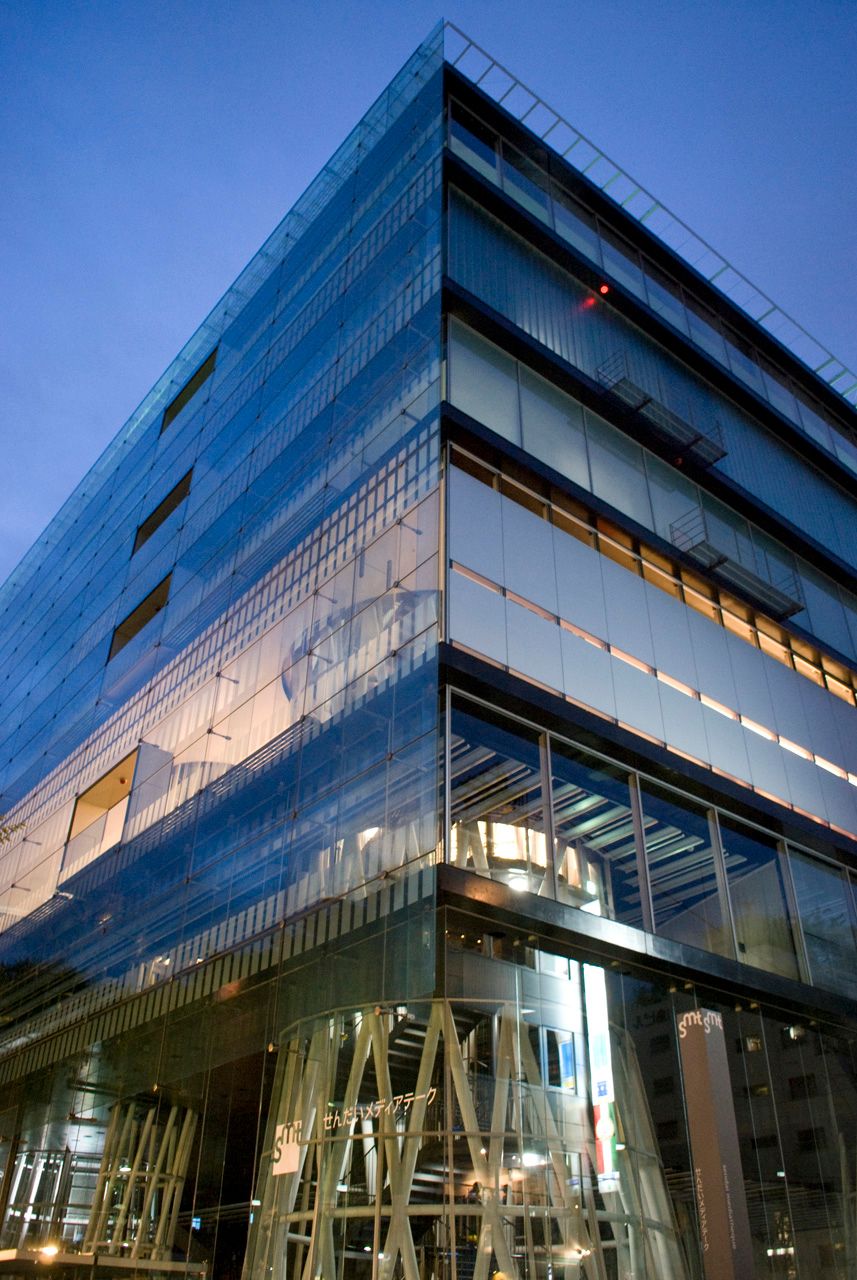
The Sendai Mediatheque in Sendai, Japan, which Shigematsu worked on while employed at Toyo Ito’s firm in 1995. (Courtesy OMA New York)
SB: Yeah. There are technologies, of course, for building that can speed up the way architecture gets built, but it still involves so much money, so many different stakeholders that, by its very nature, it is inherently slow.
SS: Yeah. And I think that’s a good thing.
SB: On the subject of time and architecture and OMA, I also feel like we should talk about S,M,L,XL, because you did bring it up and that came out right when you were starting at the firm. I found in my research that you read it while you were interning at Toyo Ito’s office.
SS: Yeah. It was a very funny moment. I interned at Toyo Ito’s office and around the time that S,M,L,XL just got published and it was the DD [design development] period of Sendai Mediatheque, the library building in Sendai [in Japan] with this tube structure. I was making models of these tubes. One morning, there was a kind of morning meeting with everyone and Ito was just saying, “You should just read this thing.” The next day, everyone had it on their desk. I actually knew the book before I started, but I didn’t have money to buy it. So I was reading in Toyo Ito’s office. A little bit later, I bought it. But that book made so much influence on the architecture industry, I think. That was a kind of interesting moment, the mutual respect, and how a book can actually have so much influence on a design. And I think Sendai Mediatheque’s plan is very close to one of the early library plans of OMA, you can call it, the one that has all the book stacks and the voids, I think there’s some kind of relationship there.
SB: Yeah. Was reading that book one of the reasons you wanted to go work for OMA?
SS: I didn’t actually think I could be qualified to work at OMA. I was doing graduate school in Amsterdam, and I just applied to many offices and only OMA replied to me and then I had an interview there. So, I was just lucky. That was the moment that OMA restarted the DD of Universal Studio headquarters in L.A. and they needed people. It was also lucky that OMA always had Japanese architects, but at that moment there was none.
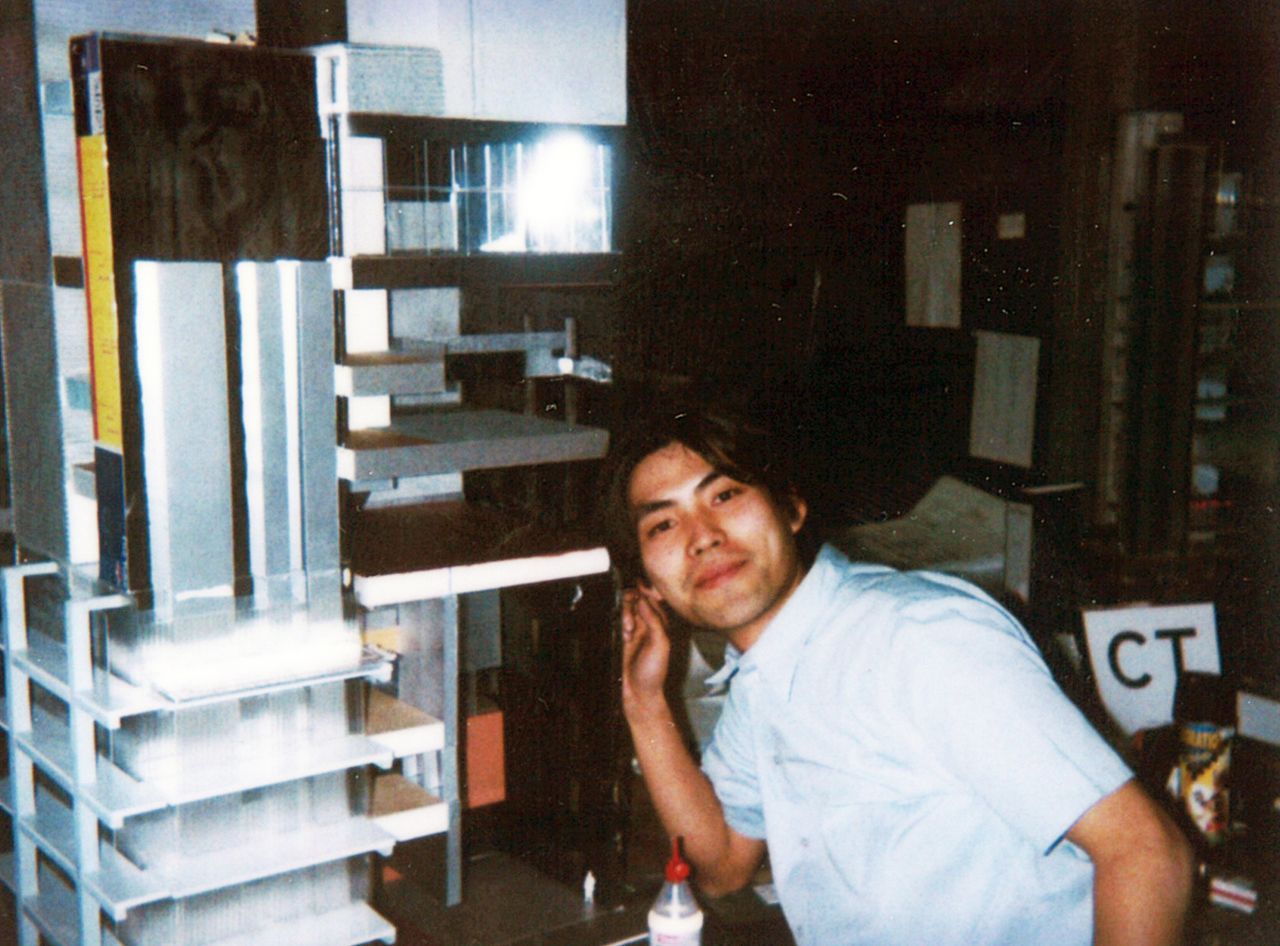
Shigematsu working on Universal HQ at OMA Rotterdam. (Courtesy OMA New York)
SB: In a way, you’ve described it as a school almost, right? It kind of felt that way.
SS: It was really a school, because the responsibility is not about a typical kind of professional, let’s say, responsibility, but more about thinking and—not on a philosophical level, but let’s say I was liberated being in OMA, because I thought that in order to work at OMA or in general, my image of professional-level work in an international environment was to be philosophically literate and also a good designer, good speaker, you had to be a kind of perfect person. But it was much more down to earth and very investigative, very thorough, very, well, low-tech in a way.
If you had the belief that if you spend enough time on analyzing, thinking and discussing, you can actually deliver good architecture, interesting architecture. That was really a liberating moment for me and also for a lot of young architects at that moment. That moment was like, if I name a couple, it’s basically people who are working globally right now [such as Bjarke Ingels, Ole Scheeren, and Joshua Ramus]. I didn’t think that way, of course, when I was there at that moment, but it was a kind of center of ambition, I think.
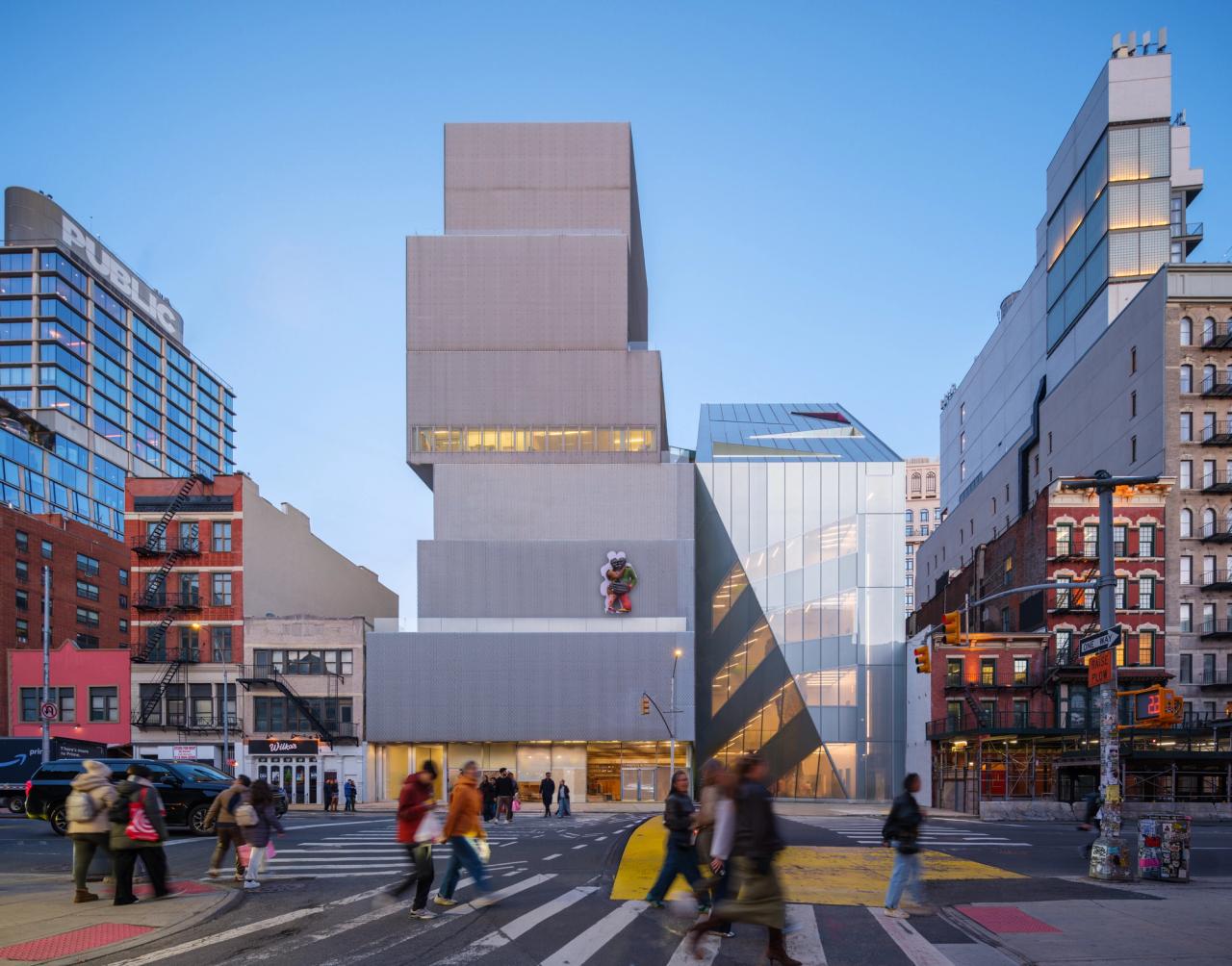
An exterior view of the New Museum and its extension designed by OMA. (Photo: Jason O'Rear/Courtesy the New Museum)
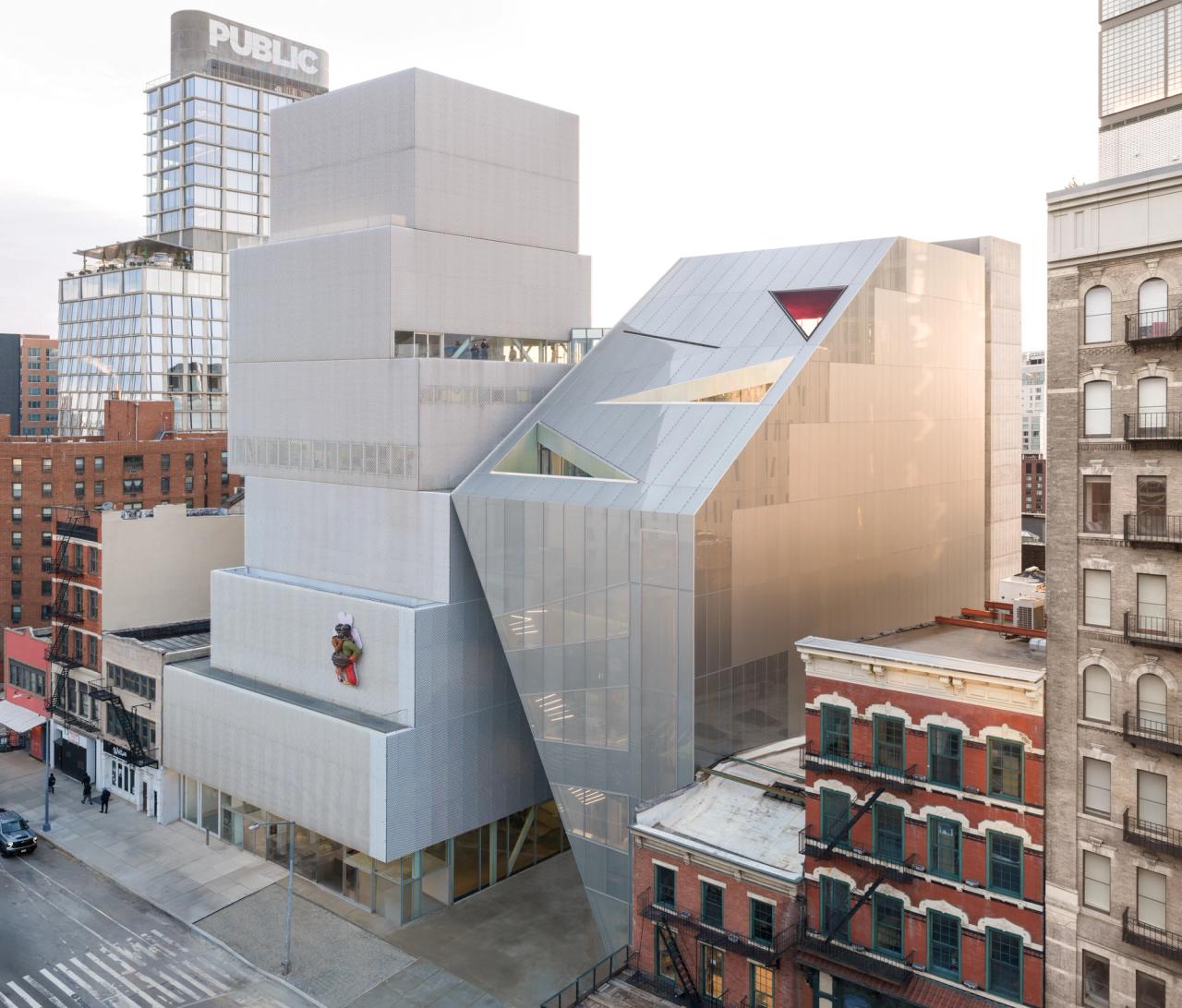
An exterior view of the New Museum and its extension by OMA. (Photo: Jason O'Rear/Courtesy the New Museum)
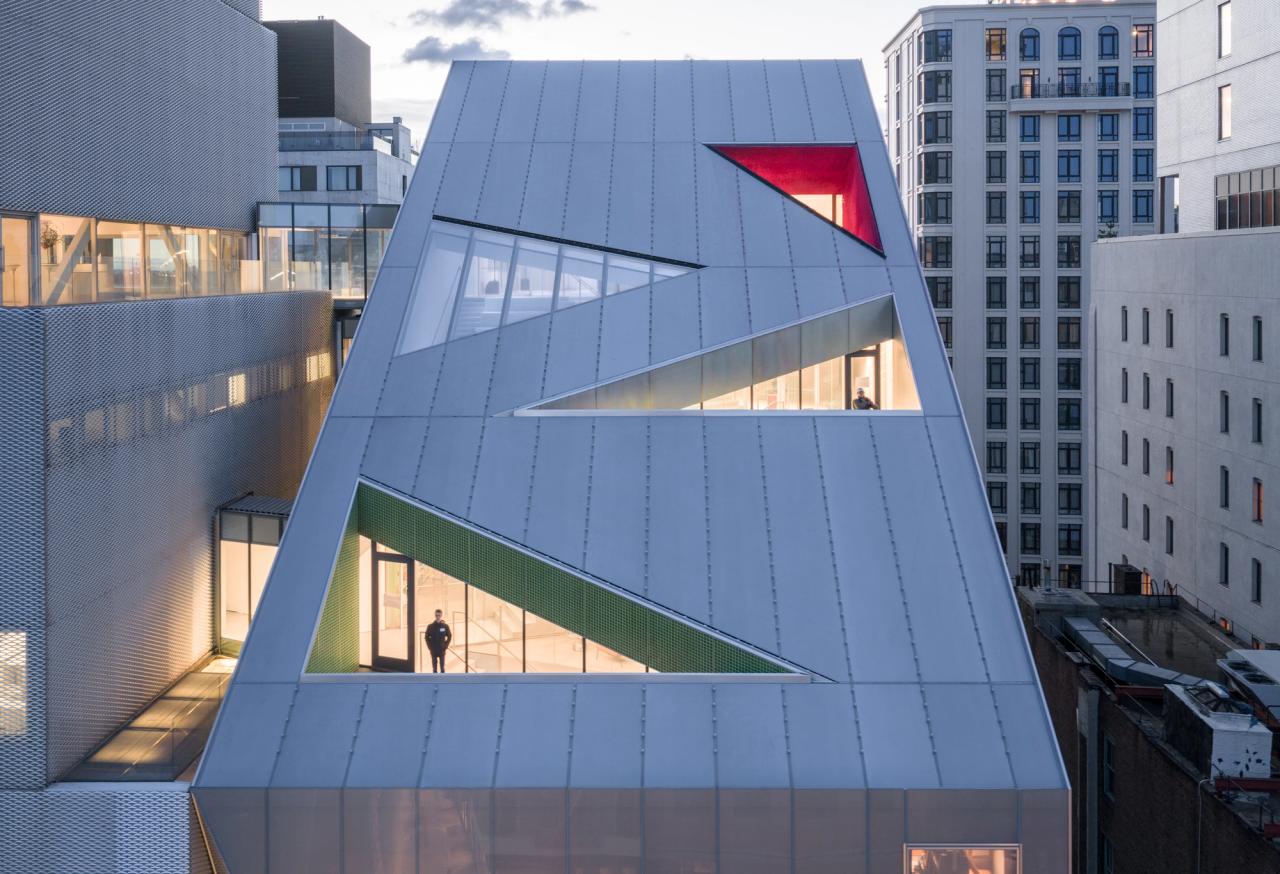
An aerial view of the New Museum extension designed by OMA. (Photo: Jason O'Rear/Courtesy the New Museum)
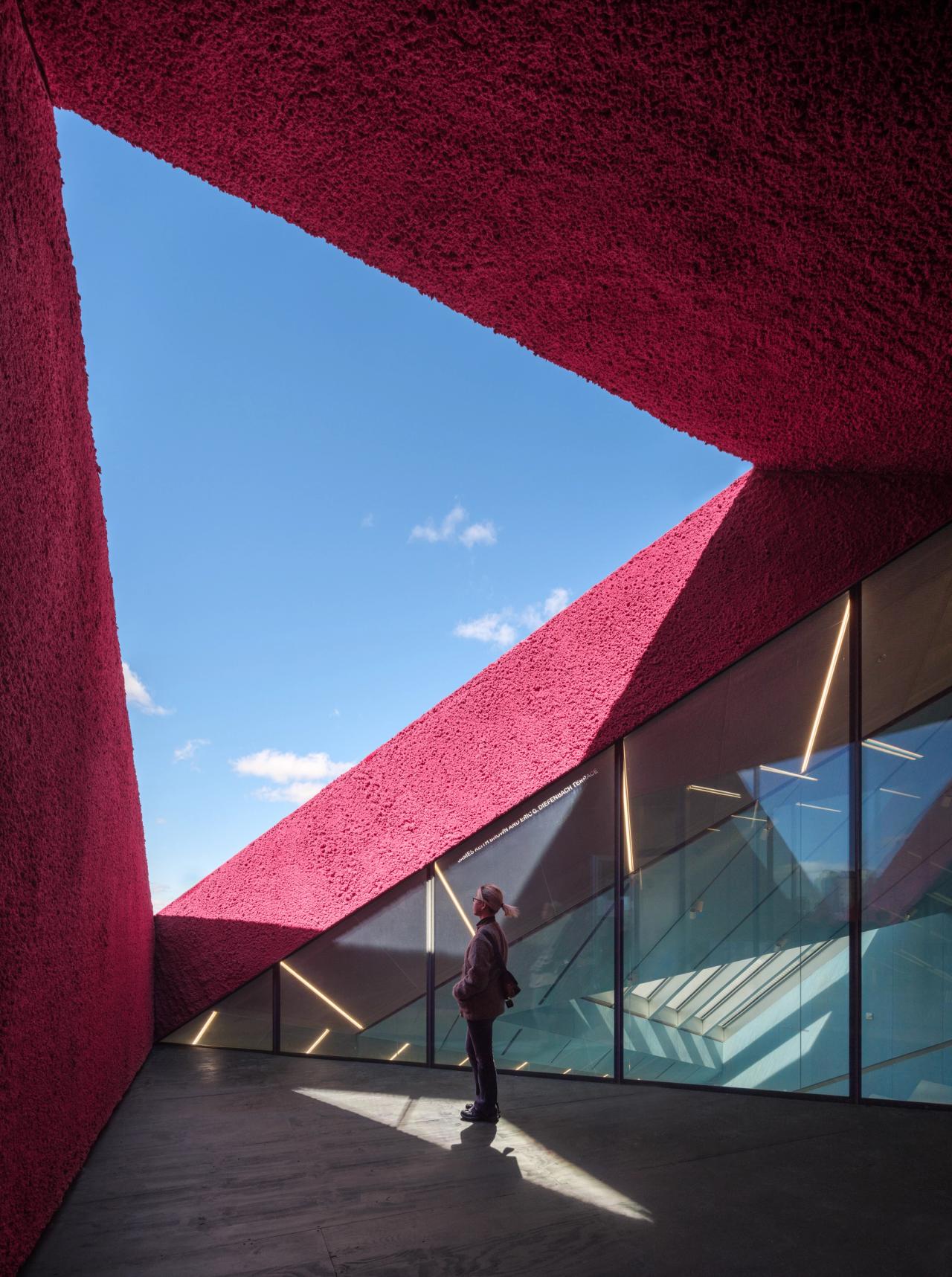
An interior view of the New Museum extension designed by OMA. (Photo: Jason O'Rear/Courtesy the New Museum)
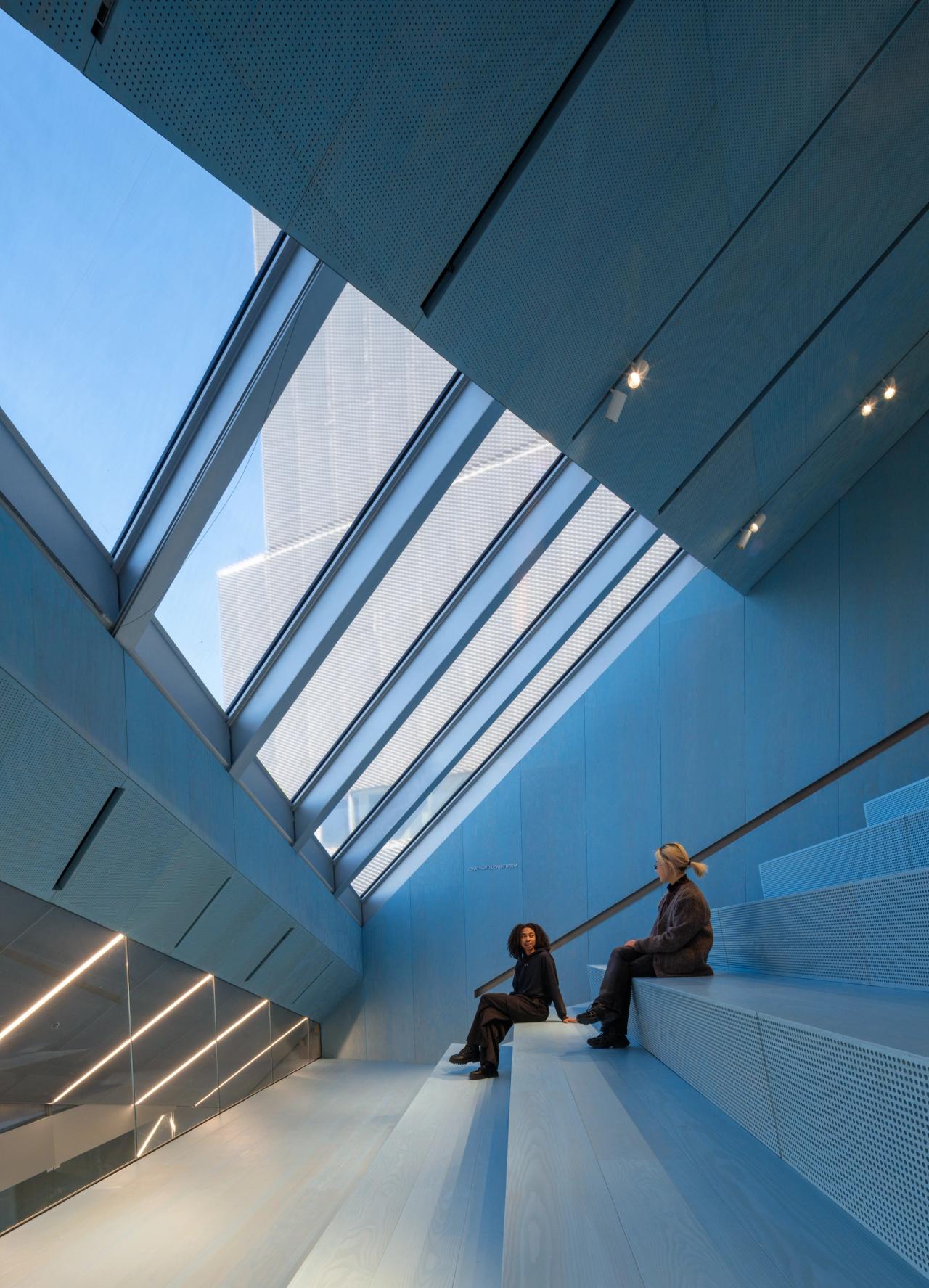
An interior view of the New Museum extension designed by OMA. (Photo: Jason O'Rear/Courtesy the New Museum)
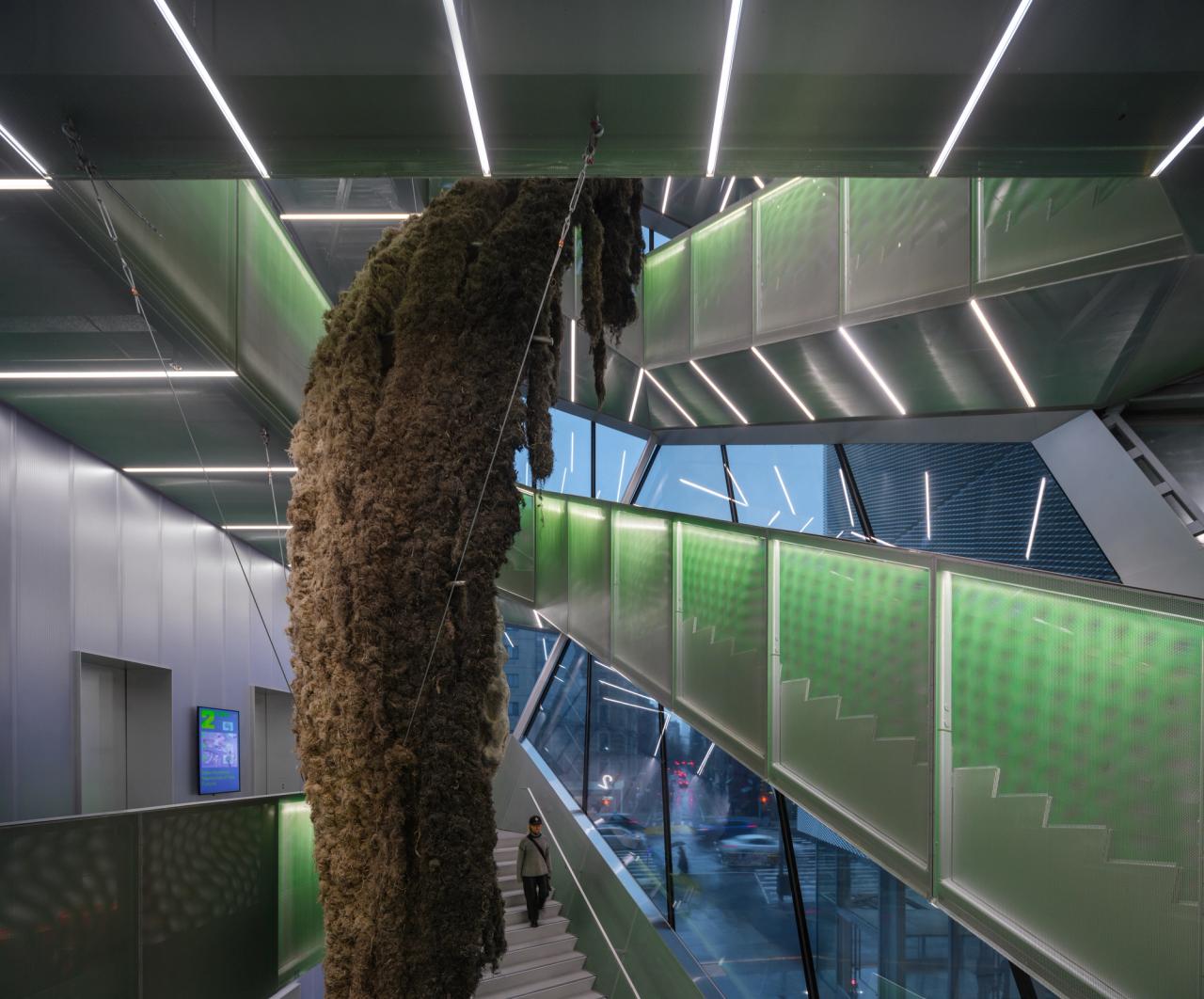
An interior view of the New Museum extension designed by OMA. (Photo: Jason O'Rear/Courtesy the New Museum)
An exterior view of the New Museum and its extension designed by OMA. (Photo: Jason O'Rear/Courtesy the New Museum)
An exterior view of the New Museum and its extension by OMA. (Photo: Jason O'Rear/Courtesy the New Museum)
An aerial view of the New Museum extension designed by OMA. (Photo: Jason O'Rear/Courtesy the New Museum)
An interior view of the New Museum extension designed by OMA. (Photo: Jason O'Rear/Courtesy the New Museum)
An interior view of the New Museum extension designed by OMA. (Photo: Jason O'Rear/Courtesy the New Museum)
An interior view of the New Museum extension designed by OMA. (Photo: Jason O'Rear/Courtesy the New Museum)
An exterior view of the New Museum and its extension designed by OMA. (Photo: Jason O'Rear/Courtesy the New Museum)
An exterior view of the New Museum and its extension by OMA. (Photo: Jason O'Rear/Courtesy the New Museum)
An aerial view of the New Museum extension designed by OMA. (Photo: Jason O'Rear/Courtesy the New Museum)
An interior view of the New Museum extension designed by OMA. (Photo: Jason O'Rear/Courtesy the New Museum)
An interior view of the New Museum extension designed by OMA. (Photo: Jason O'Rear/Courtesy the New Museum)
An interior view of the New Museum extension designed by OMA. (Photo: Jason O'Rear/Courtesy the New Museum)
SB: I feel like now I have to bring up the New Museum. I want to talk about this project, which to my shock and surprise is OMA’s first truly public building in New York City. Which, given the trajectory we were just talking about is pretty astounding. Tell me about this project. Maybe starting through a time perspective, because I think it’s helpful to talk about the Whitney [extension] project you worked on in the early 2000s.
SS: Yeah. I think that’s the kind of start for me to have the story of this museum extension. So, as I entered, in ’98, I was working on Universal headquarters and that got canceled. I worked on a couple of different projects and basically I was in the competition team doing one competition after another, a lot of different typologies, and then Rem started to recognize me. Then ultimately, at that moment, OMA had so many U.S. projects. Whitney was a direct commission, the extension on the Upper East Side next to the Breuer and I was a project architect.
I was still in my twenties, I think. That’s crazy, no? To be in your late twenties and project architect for a Whitney [extension]? [Laughter] Anyway, and then somehow through 9/11—that was around 2000—and through 9/11, somehow design was considered a little bit radical, although that was the beginning of me understanding museum typology, but also like pairing or extending to an existing museum that is very loved and of course an icon of modern architecture. So that, in a way, experience and somewhat a failure informed me a lot about museum extension. I didn’t, of course, think that that second chance would come in the same city in a kind of similar setup.
SB: Share for the listeners here a little bit about the Whitney proposal, what you were proposing to do.
SS: Yeah. So there was, of course, the Breuer building. It was right next to the Breuer building on the North Side, or sorry, Ssouth side. And there was a brownstone that was preserved, because that area was a historic—
SB: A historic district, yeah.
SS: ...historic preservation area. So we were told that we had to keep the façade. And previous iterations by Michael Graves actually demolished everything. There was a kind of criticism and also built on top of... Like within the zoning envelope, he maxed out the zoning envelope, so there was a lot of criticism as a disrespect to the Breuer building. So we knew that. We made a concrete object launch from the courtyard of the brownstone by preserving the brownstone and then basically over having enough space between the Breuer and the new building, a cantilever over the Breuer building to at least get more area to it.
So, the idea was not to make a pair, but have like three buildings in different eras. The brownstone, the Breuer, and the new building, having different types of spaces. One is more like prewar, like a living room like environment for smaller art, at the Breuer, more modern art, and then the contemporary art could go to the new building. Yeah, that was, maybe it was quite a kind of radical shape and we loved it and they loved it, but somehow 9/11 somehow changed the kind of notion of what’s safe. But in the end, I think if I see the afterlife of that project, after we lost, even Renzo [Piano] tried a plan on the Upper East that was also rejected by the—
SB: Right, Renzo Piano tried to do it on his own.
SS: Yeah. Also, Renzo’s was just straight-up, a very safe one. Even that was turned down. I guess no matter what we did in that neighborhood, maybe nothing would have passed.
SB: Well, talk about the life of a building, right? It then became the Met, and then the Frick [Madison], and now it’s Sotheby’s.
SS: Sotheby’s, yeah. Also, Sotheby’s is kind of ironic, right? We did the Breuer—like, the Whitney extension—and I did the [former] Sotheby’s headquarters’ [at 1334 York Avenue] galleries, and now they abandoned that for hospitals, and they moved to the Breuer. It’s like a strange incarnation.
SB: Delirious New York. [Laughter] So how does this Breuer project connect to the New Museum?
SS: Well, I think that we knew how difficult it is to actually make a new building next to an iconic modern or contemporary architecture. One of the first things we tried… the New Museum’s brief was to build an extension right next to the current SANAA building on the south side where the existing loft building was. They already had that building. So, the first thing we thought was, given the nature of the gentrification that was happening around that Bowery area, was to preserve that building. It was an international competition, but there was a kind of mid-review. So this existing building, we really looked at almost half of the competition time to preserve it, but it had proven to be very difficult because you can’t put the crane in. That means you have to take out the façade anyway and put it back. And also the floor-to-ceiling height of the existing building never worked as a gallery, so you had to actually demolish all the floors anyway. We started to figure out that it becomes quite superficial to preserve.
Then we changed our course to build a new one. But even when we decided to build the new one or design the new one, we didn’t start immediately. We looked at different types of pairs. We found images, texts that describe not just a simple pair, but something that has depth or differences or tension or synergy—all types of pairs. It’s almost like finding the love of your life. You have to be very careful. [Laughter] Because it’s a contemporary architecture next to it. It’s typically, as you say, the building museum extension happens over a fifty- or sixty-year span, which I did in Buffalo AKG Museum, which was easier because of course creating contrast to older architecture is easier. So here it’s contemporary versus contemporary. So it’s almost really-
SB: It isn’t even twenty years old, the other building.
SS: No, no. So it was really... And of course, I know [Kazuo] Sejima-san and [Ryue] Nishizawa-san, too, personally. So it was very sensitive. But we believed in creating... We decided to do that knowing the Whitney’s case, which was maybe too radically different for the sake of difference. Here, we wanted to be subtle, but different, but also independent, but also synergistic—a very nuanced relationship. So I think that period, which was maybe just like a week, but that really somehow informed us, in a slightly more profound way, what the pairing could be.
SB: Yeah. Interestingly, both projects, it’s also to the south.
SS: Yeah, it is.
SB: If you’re staring at the building face-on, it’s very similar.
SS: It is very similar. It’s also very boxy versus not. And actually there’s this kind of faceting, if you know the Whitney project, there is some level of faceting that of course we’d like to use. So it’s kind of a similar relationship, too, but…
“We wanted to be subtle, but different, but also independent, but also synergistic—a very nuanced relationship.”
SB: One of the things I really like about the new extension is that very often it’s almost like buildings want to shine the light on themselves. This one does both. And interestingly, by pulling back from the street a little bit, you’re opening up new views and new angles to the old building. So, again, there’s this almost—it’s not deference, but it’s respect.
SS: Yeah. I think that there’s definitely a respect and tension at the same time. Respect being, typically any extension, when you add, you will hide a part of the existing building because you’re adding. But in this case, on the south side of the SANAA building, we made this kind of cut to actually expose what was not... This façade was never exposed, because there was an existing building. So, it’s a kind of interesting take on extension. By extending, you actually reveal more of the existing building, but also the setback, the SANAA side is more or less square, but our side is slightly narrower, but much deeper.
Anyway, we thought our role was to really embody, embrace the kind of depths and the horizontality of the site, and also give respect to the verticality of the existing building. So the upper half after the gallery floors until F4, it kind of tilts, sets back, tilts back to give respect to the existing building, but also to preserve the view from the skyroom terrace. There’s a great view to downtown, so we wanted to preserve that. That upper half—actually, if you’re close, you actually don’t see the upper half, because the setback is quite steep. So that gesture also gave a kind of good respect.
All the floor levels are aligned. So there’s a kind of ultimate connectivity between the two buildings, but from outside, it doesn’t look like that. So that’s the kind of nuance that I talked about. It’s highly connected, but it also looks independent.
SB: It makes me think also of something you’ve said, which was speaking about OMA or at least OMA New York. And you said, “What we care about most is beauty.” I wanted to ask, why beauty? Because I feel like we don’t often hear architects promoting beauty as the most important thing. When I look at this project, I definitely see that beauty at play.
SS: Thank you. I think the notion of beauty for us is sometimes twisted because sometimes we embrace a very ugly thing as something new and something unexpected. We embrace accidents, we embrace physical mistakes as part of the design process. But the beauty is that there are a lot of people who misunderstand OMA’s process as just programmatic and didactic and very rational, but it’s quite the opposite. I think we use those to create something—well, I call it creating unknowns from knowns. So using programmatic elements and things that we know, but using that and creating unknown and that unknown is our notion of beauty.
“Beauty or newness or, let’s say, unexpectedness actually is often more important than just straightforward, rational, programmatic analysis.”
We often actually go back to the programmatic analysis or contextual analysis and restart when we hit the wall of not being able to come up with something beautiful. So it’s the beauty or newness or, let’s say, unexpectedness actually is often more important than just straightforward rational programmatic analysis. Of course, again, it depends on the building typology, but great to hear that that building looks somewhat beautiful to you. [Laughter]
SB: Well, there’s definitely a cut to it, you could say, that reminds me almost of jewelry or something. There is something prismatic to it.
SS: What we often like is also a monolithic gesture. The entire façade is clad in one single glass, which is so-called Zephyr. It’s a Swiss product, but it’s... The fine metal mesh is laminated into the glass. So it looks very metallic during the day when the sun hits, but when during the night, when the stronger light is inside, it looks very transparent. So you have a contrasting appearance from day to night, but also during the day has a perfect synergy to the existing SANAA building, which is also an expanded metal mesh. So it both looks metallic and monolithic, but at night it shows the transparency on the new side.
SB: I was thinking about this as I was preparing for the conversation today, given your museum-extension experience, but also just all the work you’ve done thinking about the very notion of a museum. I would say, if we’re in this age of late-stage capitalism, we’re also in this age of late-stage museums. The critic Christopher Hawthorne, in The New York Times last fall, wrote, “If this is the end of the art museum as we’ve known it, the building type sure is going out with a bang.” [Laughter] I was wondering if you view it that way or what you think about the museum’s position at this moment in time when it comes to society and culture.
SS: Well, this is exactly what I wanted to talk about today. I think especially in North America, museum typology is evolving in my opinion because it’s much more community-oriented—also community engagement is part of the strong programming. So that means it used to be a gallery and maybe non-gallery space and the service space, like one third, one third, one third. But now what a museum brief does is that they actually want those gallery spaces for sure, but non-gallery spaces, it used to be just like shop and maybe educational space or conservation space, but now it’s slightly more open-ended spaces where they can do events or art or performance or education and creating this kind of space that can accommodate those spontaneous activities that the museum wants to do or the community wants to do is becoming more and more critical.
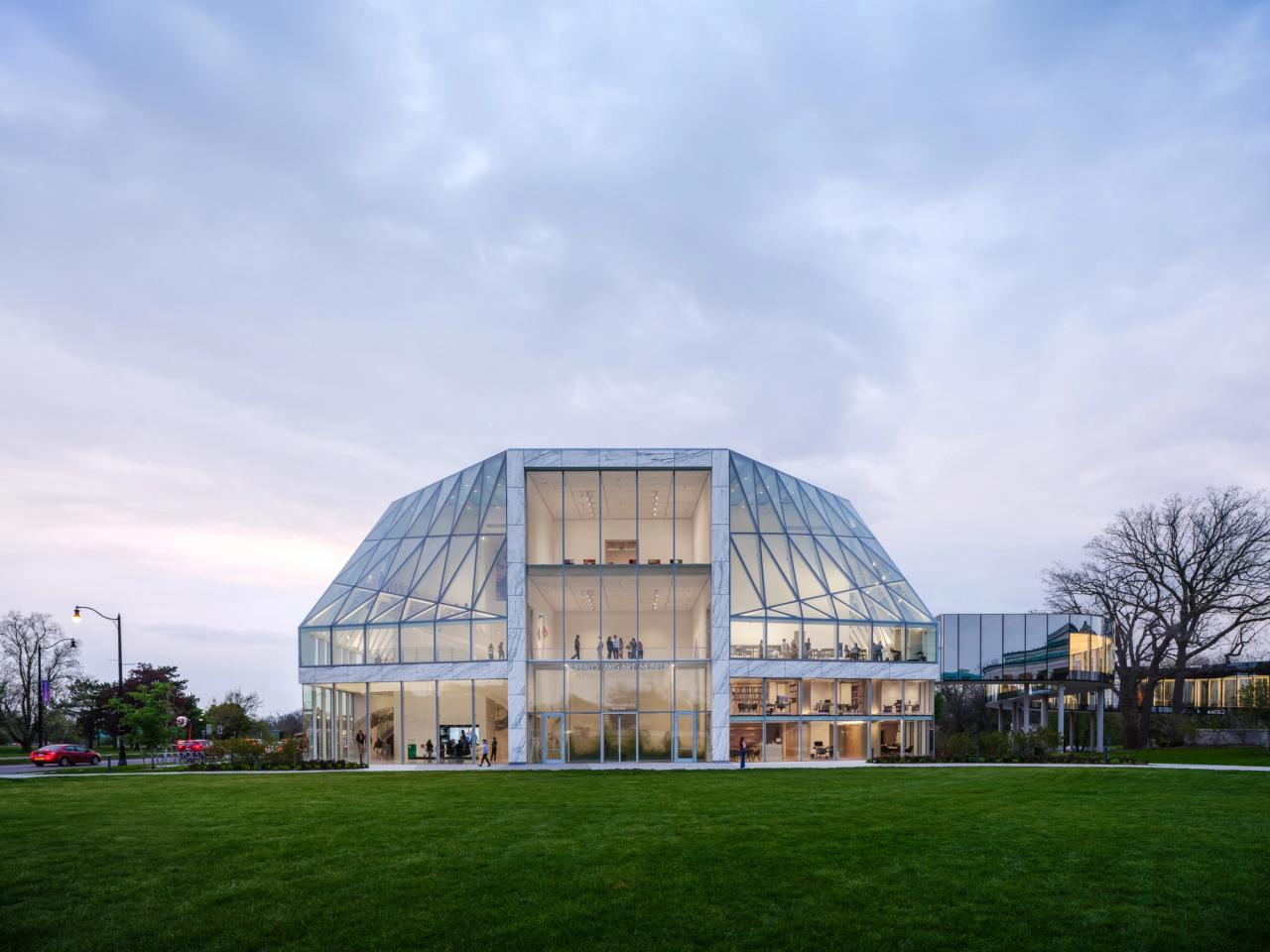
An exterior view of the Jeffrey E. Gundlach Building at the Buffalo AKG Art Museum in New York. (Photo by Jason O’Rear)
So the museum is evolving into a more community-based exchange place rather than just a gallery space. I’ve been really thinking about this and providing Buffalo AKG Museum is that kind of extreme where we envelope the surrounding of the gallery and create this atrium or the concourse that could be used in many different ways. Also in the museum’s case, the front part with the stair atrium, the educational part with auditorium, the circulation, all those spaces meant to be this buffer between the city and architecture, but also a space where those spontaneous exchanges and activities could happen. I think for me, that’s the key of how museums could evolve, and I think North America is leading that evolution.
It connects to my take on how museums should be more transparent because everyone says, “Oh, museums need to control the light.” So it tends to be very close. And I think the image of a cool museum building that everyone thinks is still very solid, right? People think solid architecture is cool, which I also think solid architecture is cool, but we are just putting an envelope that provides the activity that the museum and community needs. I think that space is critical right now to provide. And that envelope can also give the sense of transparency and openness and a welcoming nature. So I’ve been really trying to reflect this change.
SB: Well, I’ve always thought of museums as a kind of third space. People drink less, bars are less and less that kind of third space. Religion, I don’t know, it kind of ebbs and flows depending on where you are, but that third space, especially in cities, I think is less and less.
SS: Exactly.
SB: So, what are our third spaces?
SS: Well, spot-on because I’ve been saying that, through Covid and through digital twins, through a lot of sensors… I think the city used to be a counterpart of architecture where there were a lot of free domains and spontaneous activities. Of course, people felt freer in the city than in architecture. But at the same time, architecture also became more and more sophisticated and controlled and defined. Nowadays, when you make an auditorium, it has to be this proportion, that height, this system. It’s so defined and refined. I’m not being against that, but somehow the city has become more and more like architecture, being controlled.
“Architecture needs to be more like the city, because the city is becoming more like architecture.”
Through Covid, you see how cities could be now controlled through surveillance and self-driving cars, et cetera. And at the same time, architecture is also really refined. So there’s no kind of freedom. That’s why I think that third space you’re mentioning, and I call it “open-ended spaces,” architecture needs to be more like the city because the city is becoming more like architecture. So for me, it’s becoming more and more important for architecture to provide this kind of space.
SB: It’s like designing spontaneity a little bit.
SS: Yeah. I think that kind of ambition always existed in architecture but, for me, at least in museum typology or other typologies too, I try to do that in the mix, like commercial typology, too, but to create some level of open-endedness and believe that the community or the user group can actually use that space much better than architects think, I think that level of trust and dependency is actually interesting. Because of the technology and the literacy of people, of wanting to gather in the places that are never... Twenty years ago, people never thought of having dinner or yoga in so many different places, right? Now I think people are much more—
SB: Yoga at an art museum doesn’t seem like the weirdest thing.
SS: Not at all. [Laughter] Yoga can go to any extreme places, but anyway, that’s the kind of most easy, understandable example. But for me, the gathering is unlocking the architecture.
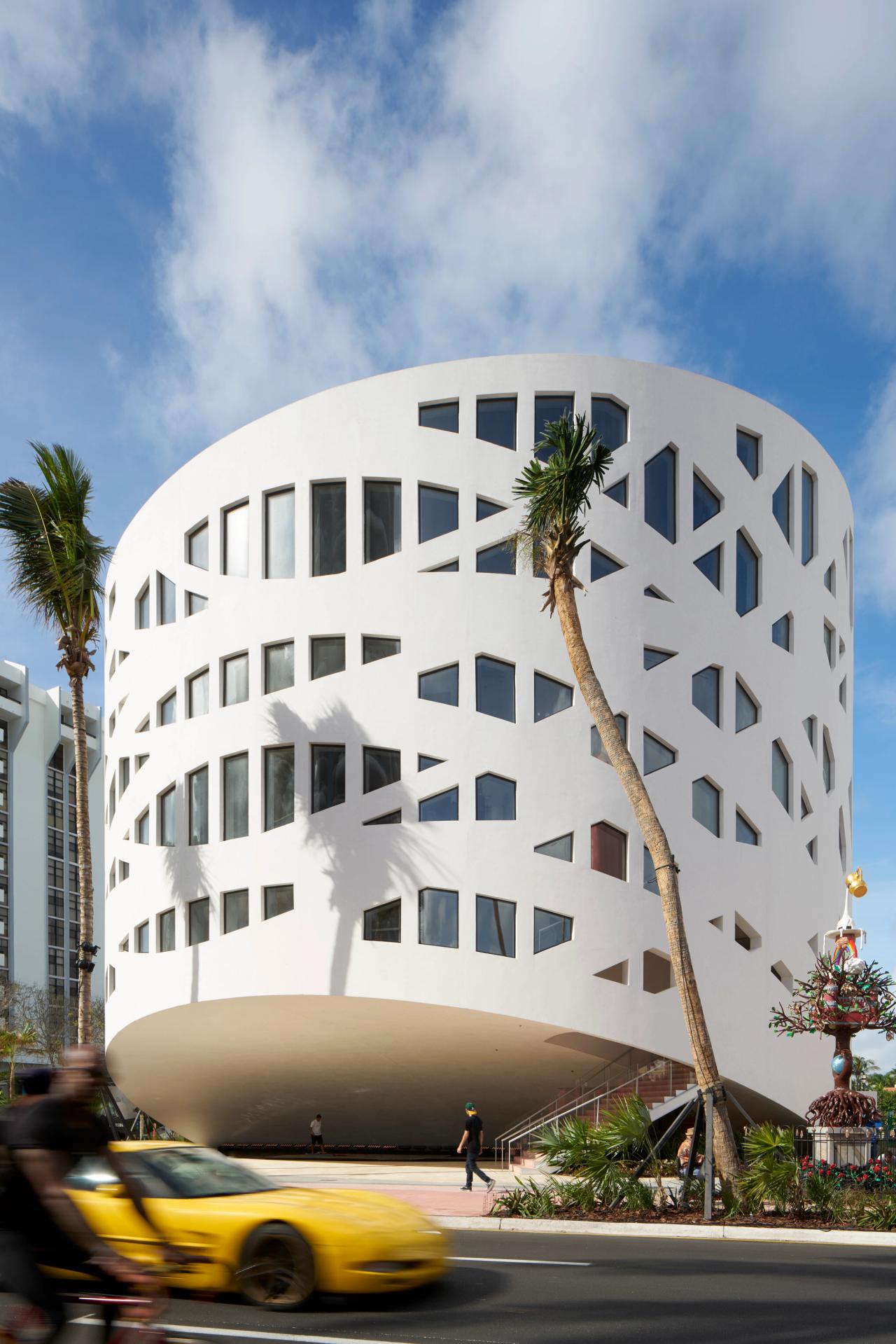
An exterior view of Faena Forum, designed by OMA and Shigematsu, in Miami. (Photo: Bruce Damonte)
SB: We’re talking about creating architecture for art—displaying art, housing art, creating spaces for performance—but I also think about this idea of architecture as art, and you’ve long kind of existed in this interplay. You’ve also worked with a lot of different artists in addition to creating spaces such as Faena Forum in Miami or the more commercial things like the former Sotheby’s headquarters we were talking about. But I was thinking about these artists you’ve gotten to work with. Like Cai Guo-Quiang, you designed his studio on the Lower East Side, or working with Taryn Simon on the Park Avenue Armory installation. Could you talk about what you’ve learned about architecture and art in working with these artists?
SS: Yes. Collaboration is one of the fundamental parts of my ambition. I can talk about art first, but also fashion. Working with artists is, of course, really feeling and understanding the rigor of artists, their determination and their originality. Those things sometimes are so hard to get just with architectural projects. Working with artists always reminds me of being strong to your belief and also with the level of craft, level of execution, level of thinking. Those mental conditions are something that I really admire and want to reflect in our architecture. But that’s a kind of learning part, but they also sometimes need the help of architects to visualize or create a physical space for that. I think that dialogue is truly different from just working with a client.
So for me, it’s just training different parts of your brain, but also trying to unlock again my kind of known domain and creating, going towards the unknown territory, right? So it’s quite meaningful. We just did the Casa Wabi [Mushroom] Pavilion with Bosco [Sodi].
SB: Tell the listeners about this Bosco Sodi, at his Casa Wabi project in Mexico, you’ve created this Mushroom Pavilion.
SS: Yeah. It’s in Oaxaca in Puerto Escondido, south of Puerto Escondido. There’s a huge compound next to the ocean that Bosco Sodi, the Mexican artist, created. It’s a kind of wild nature, but there are pavilions made by notable architects like Tadao Ando—
SB: Álvaro Siza.
“Collaboration is one of the fundamental parts of my ambition.”
SS: Siza, Kengo Kuma, Alberto Kalach, et cetera. Then Bosco thought that, well, we got to know each other and then he had the idea to create a Mushroom Pavilion where you grow mushrooms for the industry, for the local people to grow mushrooms because there are a lot of resorts happening around that. So it could be an industry because it’s relatively easy to grow mushrooms. So that pavilion is to nurse mushrooms and grow mushrooms, but also educational space where you can actually teach local people to grow mushrooms. And the building is just a single material concrete bunker mushroom-like building. And then we just had an opening a couple of days ago.
That was also a very interesting collaboration. It took five years [laughter] for such a small pavilion. But again, that kind of timeline, again, rigor of artists and timeline of artists and being very profound, that’s also something that you can’t really get in the typical architecture project. It’s schedule, deadline, schedule, budget. It goes beyond that kind of thing sometimes with artists.
SB: Yeah. And I think the result or what results is very often something that overpowers you, creates such a level of feeling or awe that you don’t forget it. I’m just thinking about “An Occupation of Loss,” which was the project you did with Taryn Simon at the Park Avenue Armory. That was 2016.
SS: Yeah, it’s already ten years ago.
SB: It’s a decade ago—
SS: Jesus.
SB: ...and I still feel as if I’m walking into that room and experiencing the profundity of this performance, which involved these mourners who had come from all over the world.
SS: Yeah. Of course the credit is for Taryn, but we made those concrete tubes that are, in her mind, it was like a well, but it was also like a well, but also a kind of—
SB: Organ?
SS: Tube or pipe organ, or many different connotations. But somehow, again, that architecture being a core part of the performance, right? There was also such a very high level of synergy between physical and non-physical performance. So I think that’s why it was really kind of rewarding to do something like that.
SB: One of the things also about “An Occupation of Loss” that’s interesting is the lifespan of something that was so temporary, and now these tubes live at MASS MoCA in the Berkshires. So they’ve kind of taken on this other life, this afterlife. But interestingly also, as temporary as the project was, I think for those like me who got to experience it, it’s something that I carry with me. I still feel it in my body a decade later, and that’s what I think great art and architecture can do.
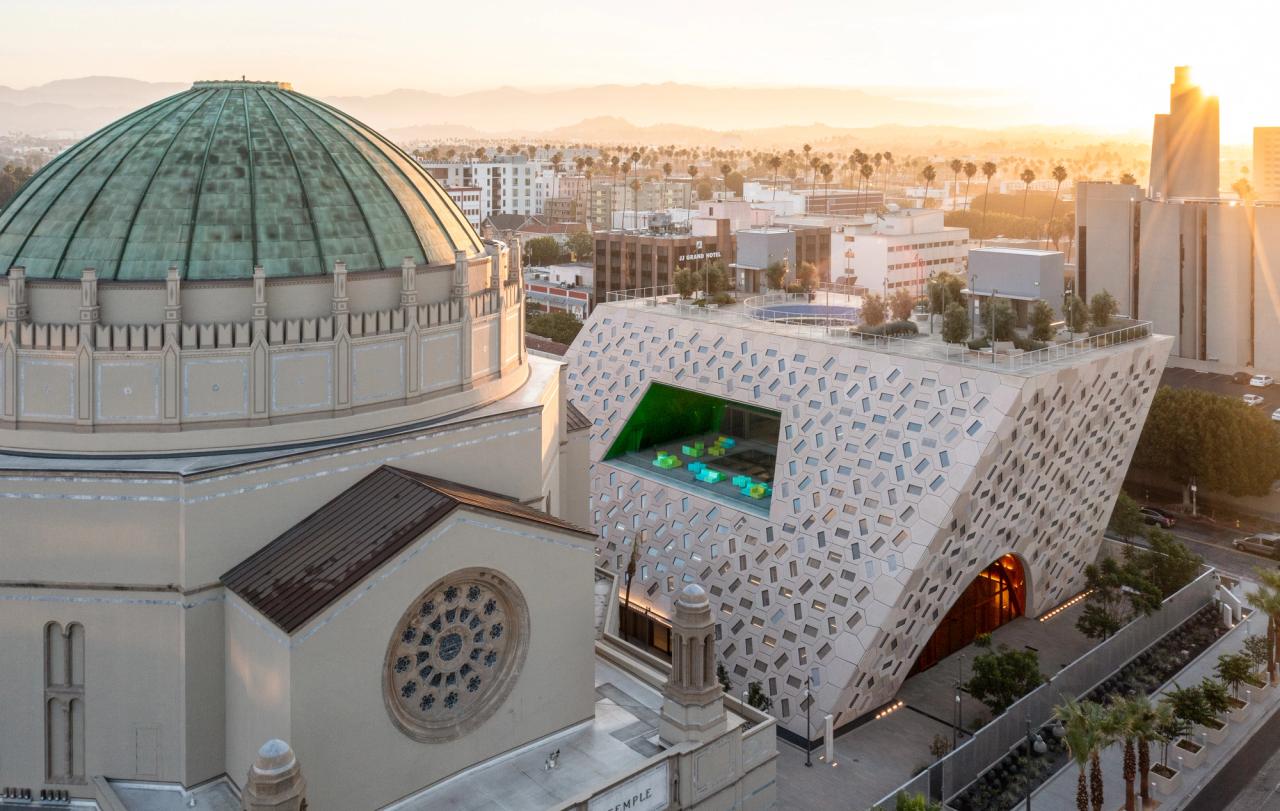
A view of the Audrey Irmas Pavilion in Los Angeles. (Courtesy OMA New York/Photography by Jason O’Rear)
SS: Yeah. I hope the architecture without any artist intervention can give that level of sensation or memory. I always talk about “memorable space” to the office because I think architecture, if it’s too refined, everything becomes quite standard and not memorable. For example, the gathering space we did for Wilshire [Boulevard] Temple in L.A., there’s a kind of event space that has a kind of vaulted space. It’s a vault. It’s considered to be inflexible, but actually when people love the space, they embrace it and they can make it flexible. It goes back to that kind of gathering that unlocks the space, but at least the space is memorable. It’s not like this conventional box where it could exist anywhere. I think creating those memorable spaces and memorable experiences for people through architecture and art is important.
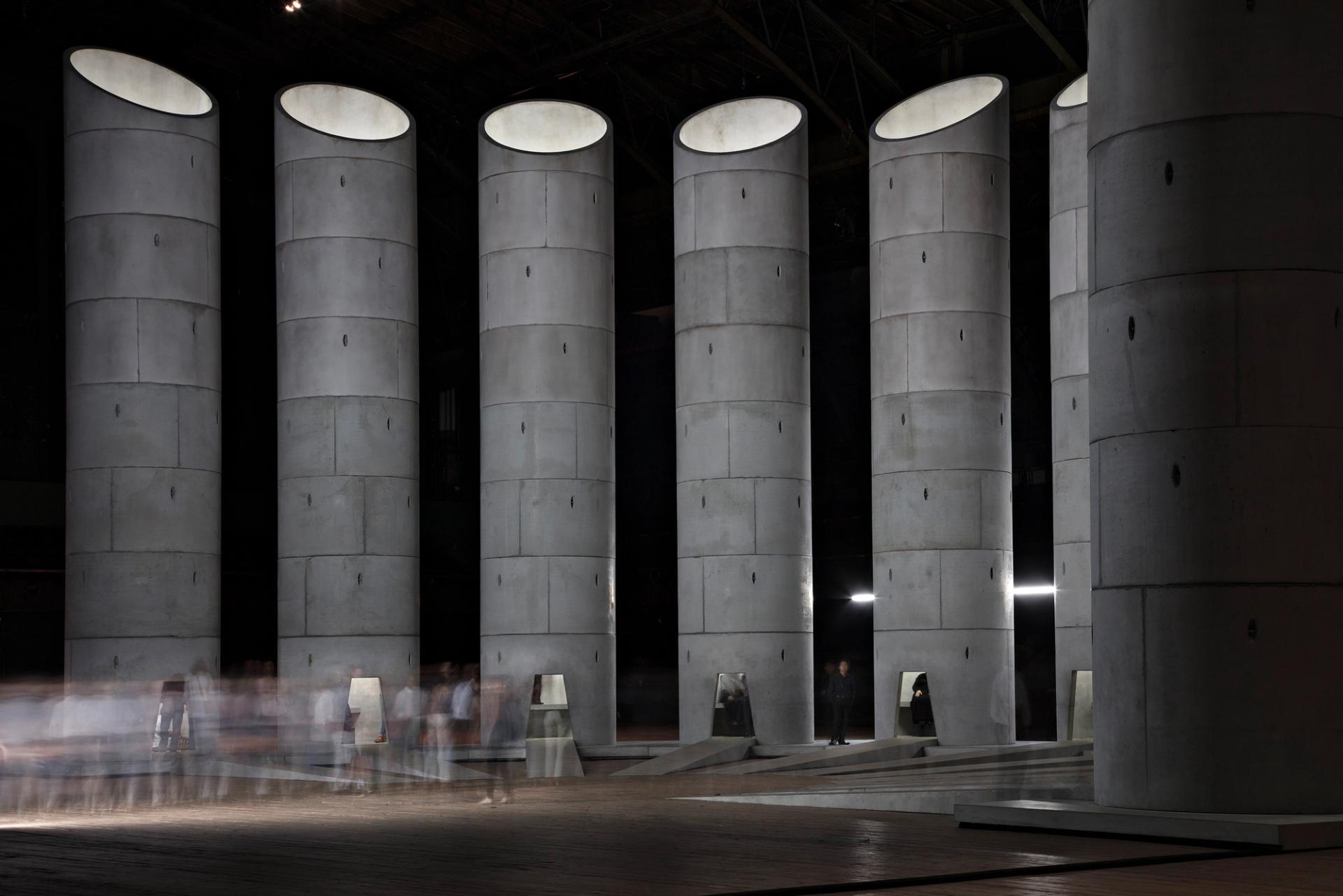
Taryn Simon’s 2016 “An Occupation of Loss” exhibition, designed by OMA, shown at the Park Avenue Armory in New York. (Photo: Naho Kubota)
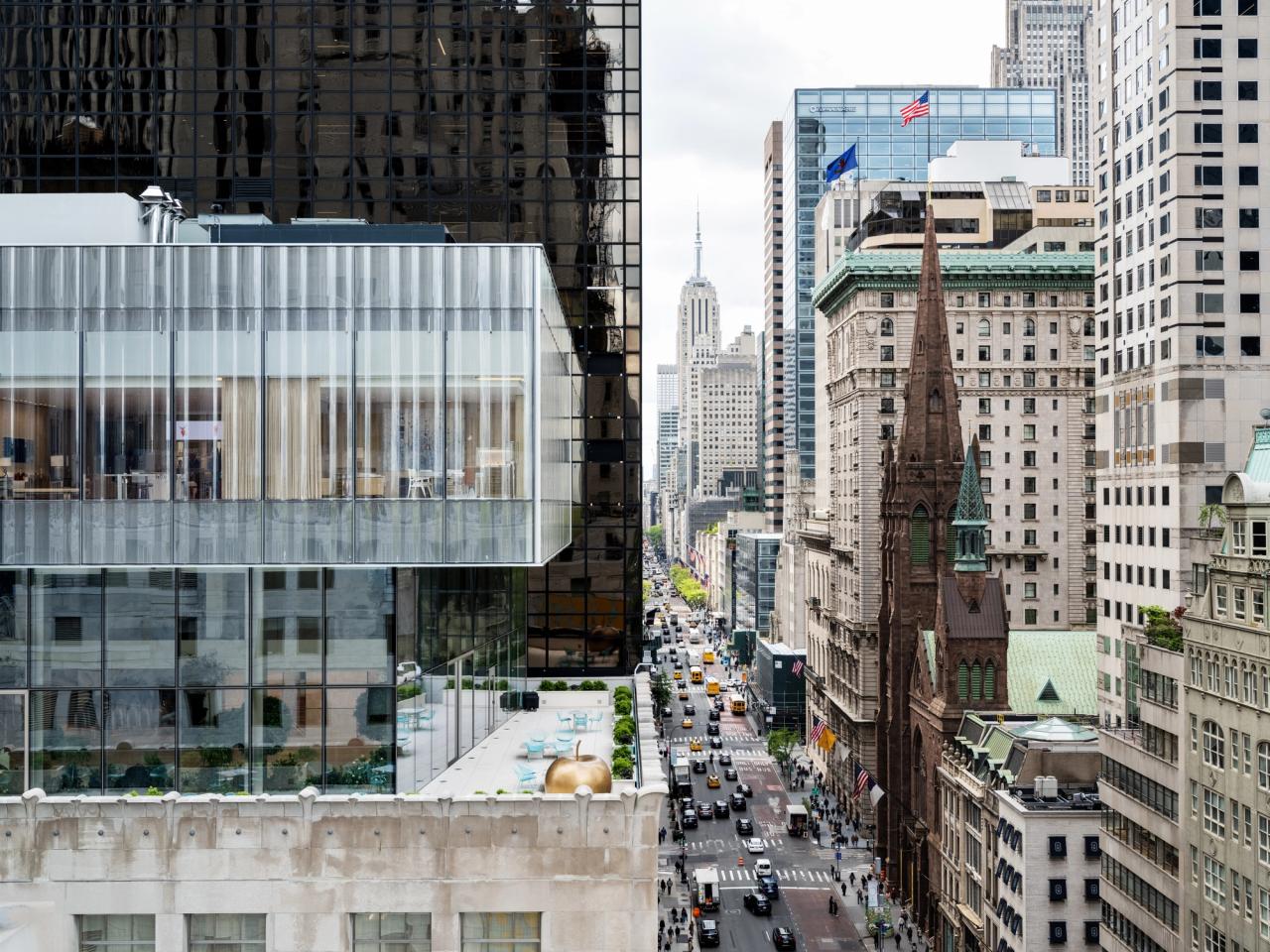
The Tiffany Landmark building in New York. (Photo: Floto+Warner)
SB: Well, I think that’s what you’ve done also with these fashion collaborations: Dior exhibitions, Louis Vuitton projects all over the world, the Tiffany flagship. Could you speak to how you think about those projects in this context? Because I do think those are, while different from your art projects, they are memorable in their own way.
SS: I think that, in the end, architecture is sometimes a translator of the identity of the client or identity of the collaborator, like an artist, and fashion has a lot of stories to tell, right? They develop stories—especially old maisons—that can be told in different ways. For me, a fashion exhibition used to be not an art exhibition, but now it’s blockbuster content for a lot of contemporary art or museums in general.
A lot of people just took it as, “Oh, okay, now fashion is exhibited in galleries,” which I always thought was a missed opportunity because fashion is not art. But fashion has all kinds of storytelling capabilities and savoir-faire crafts and all these other kinds of themes, which I took it as almost like a scenography, like a set design, where we wanted people to go to a museum, but experiencing the aura or the story of the fashion in full extent, which it’s not really showing the couture dresses in the white cube, but we thought it could be like people are in the stage, on the stage and you and the mannequins and dresses are the actors, and I’m basically designing the environment. So, for me, fashion is also an extension of a collaboration, understanding the designers and creative directors and maisons, but also for me, I see the new possibility of architects’ capability to actually intervene much more emphatically and tell the story through the space than just an exhibition design. So I’m really trying to take it as almost like a new domain.
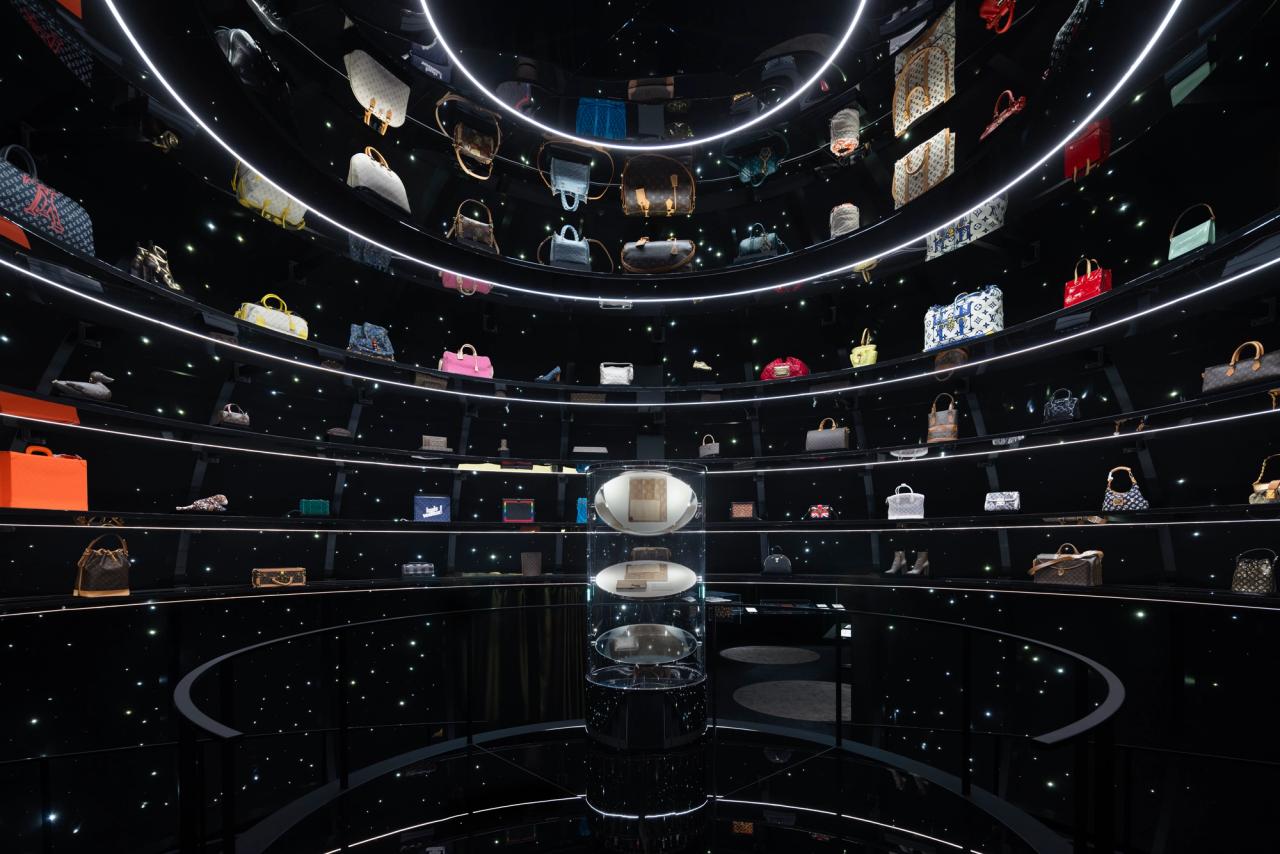
A view of “Visionary Journeys,” a 2025 Louis Vuitton exhibition designed by OMA and Shigematsu at the Nakanoshima Museum of Art in Osaka, Japan. (Photo: Jeremie Souteyrat)
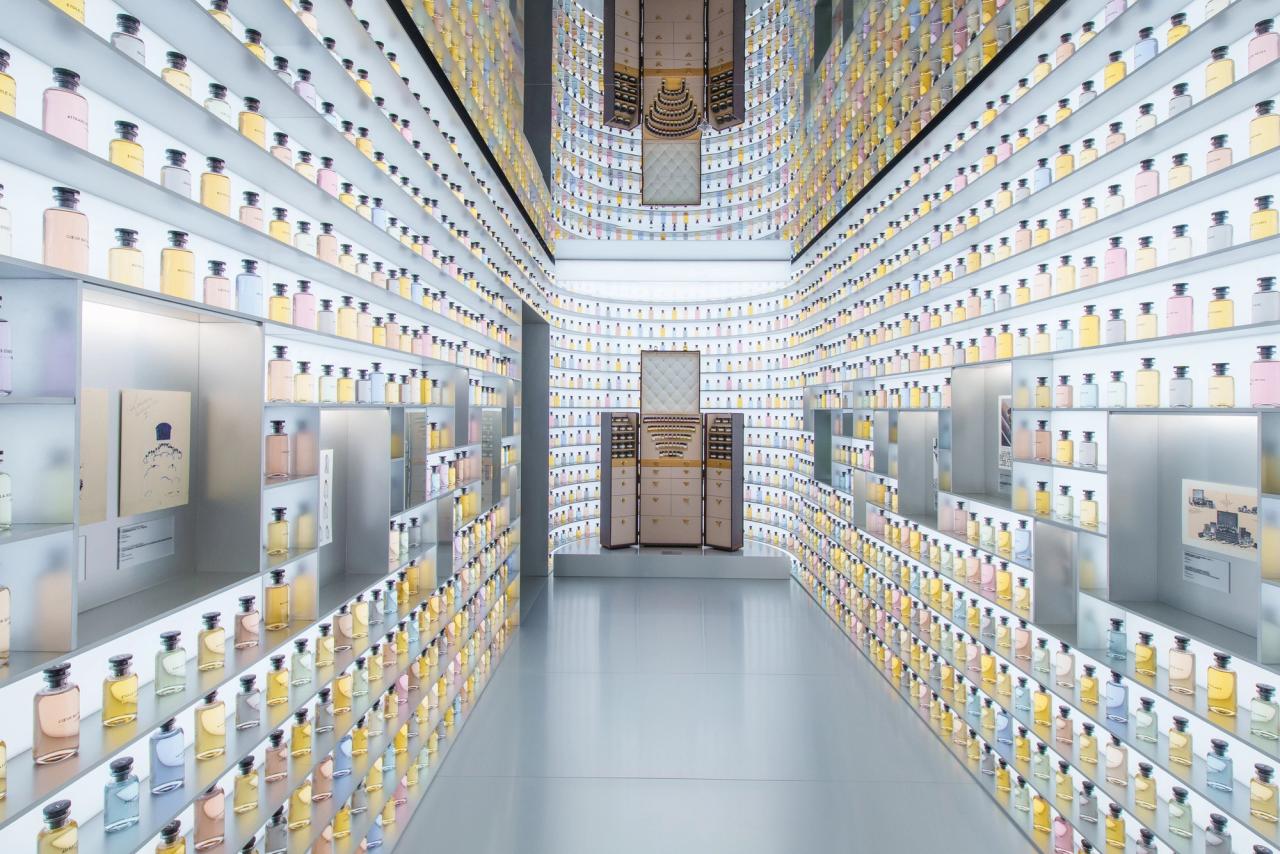
Louis Vuitton’s 2025 “Visionary Journeys” exhibition, designed by OMA and Shigematsu, shown in Shanghai, China. (Courtesy Louis Vuitton)
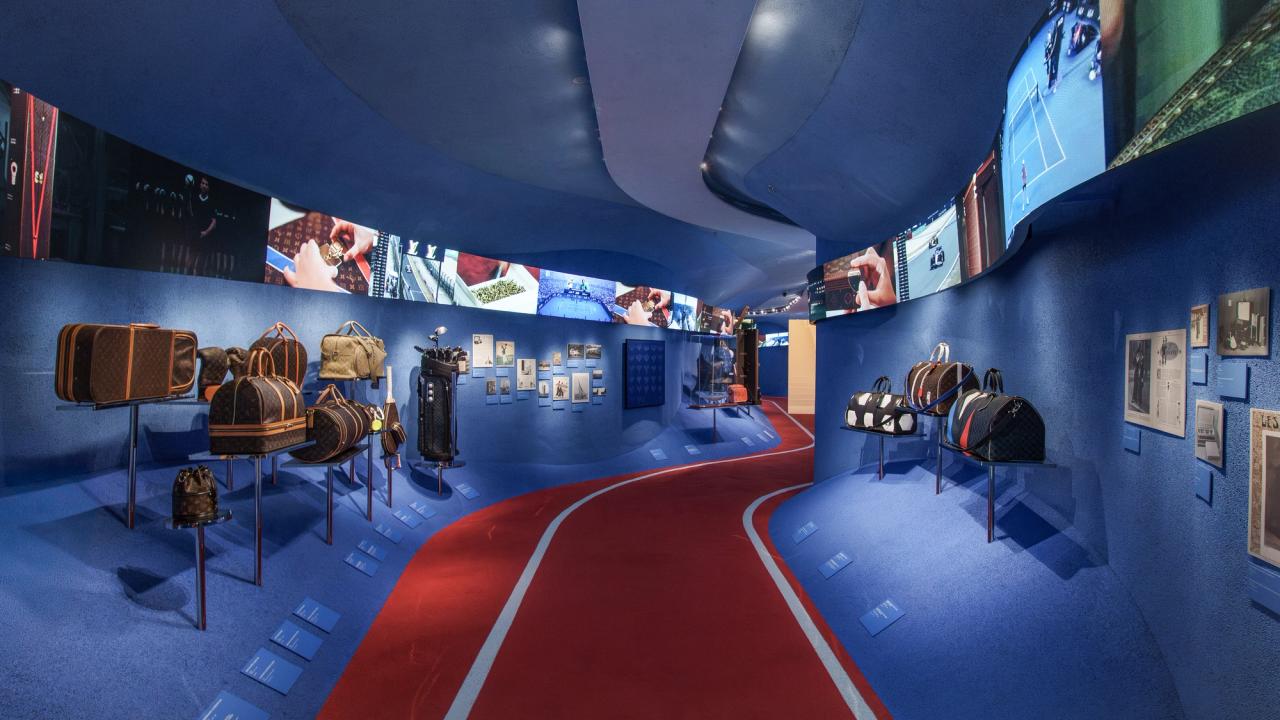
Louis Vuitton’s 2025 “Visionary Journeys” exhibition, designed by OMA and Shigematsu, shown in Shanghai, China. (Courtesy Louis Vuitton)
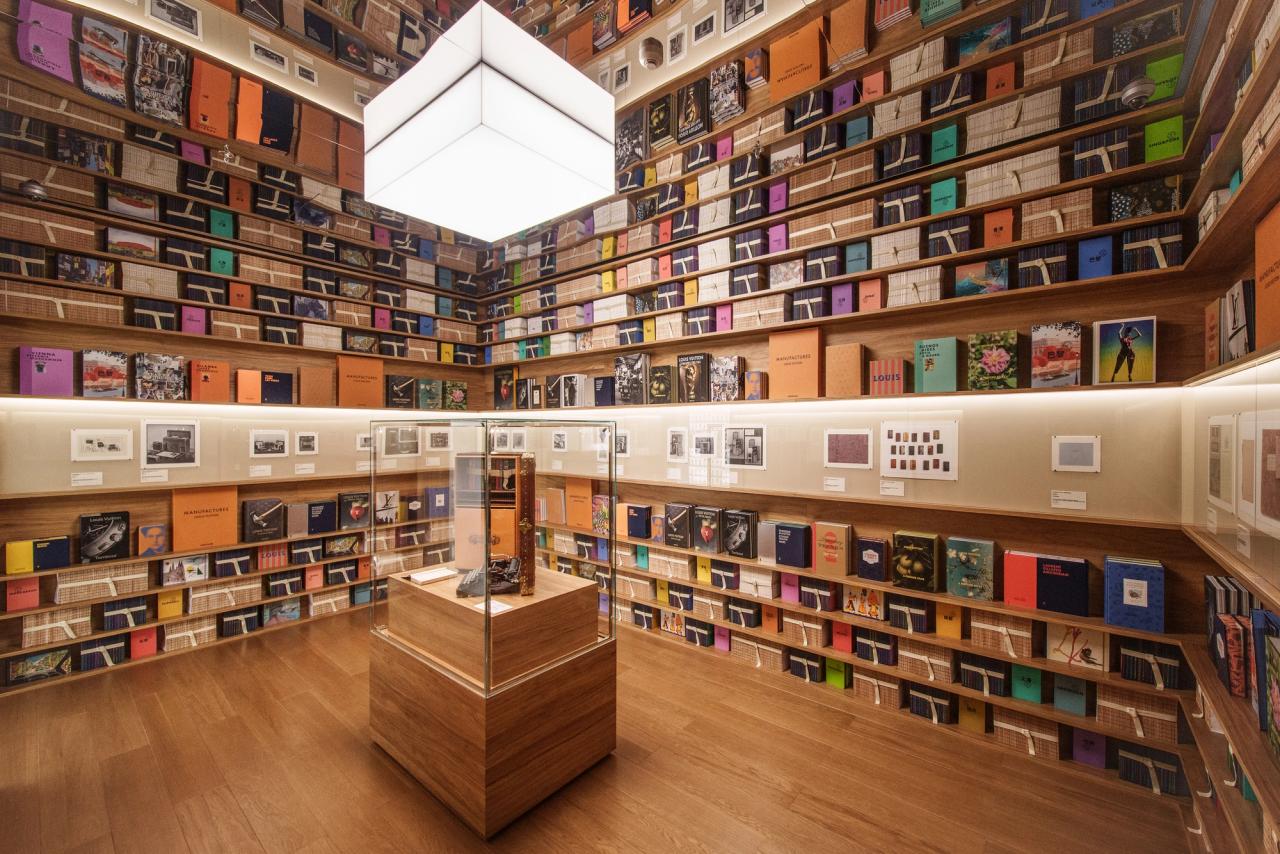
Louis Vuitton’s 2025 “Visionary Journeys” exhibition, designed by OMA and Shigematsu, shown in Shanghai, China. (Courtesy Louis Vuitton)
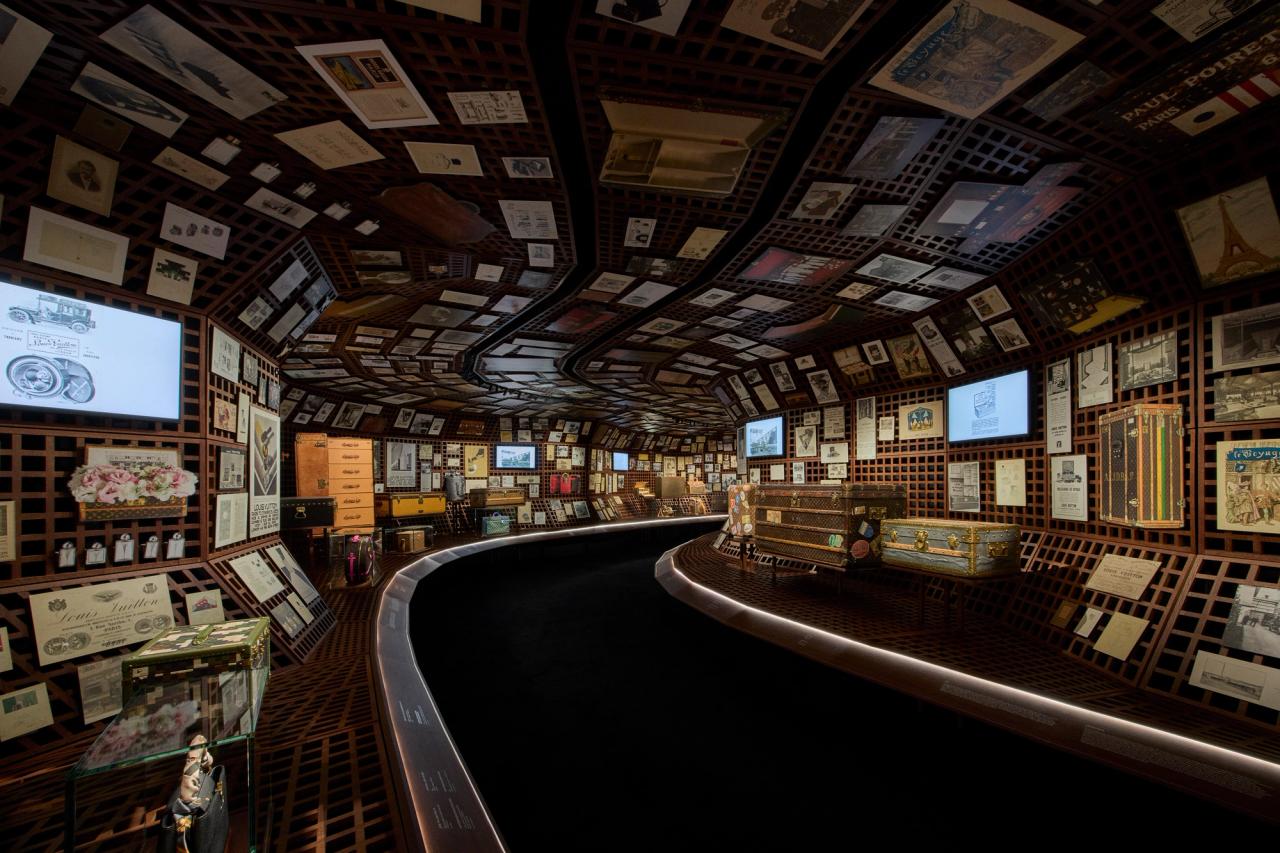
Louis Vuitton’s 2025 “Visionary Journeys” exhibition, designed by OMA and Shigematsu, shown in Seoul, South Korea. (Photo: Kwa Yong Lee/Courtesy Louis Vuitton)
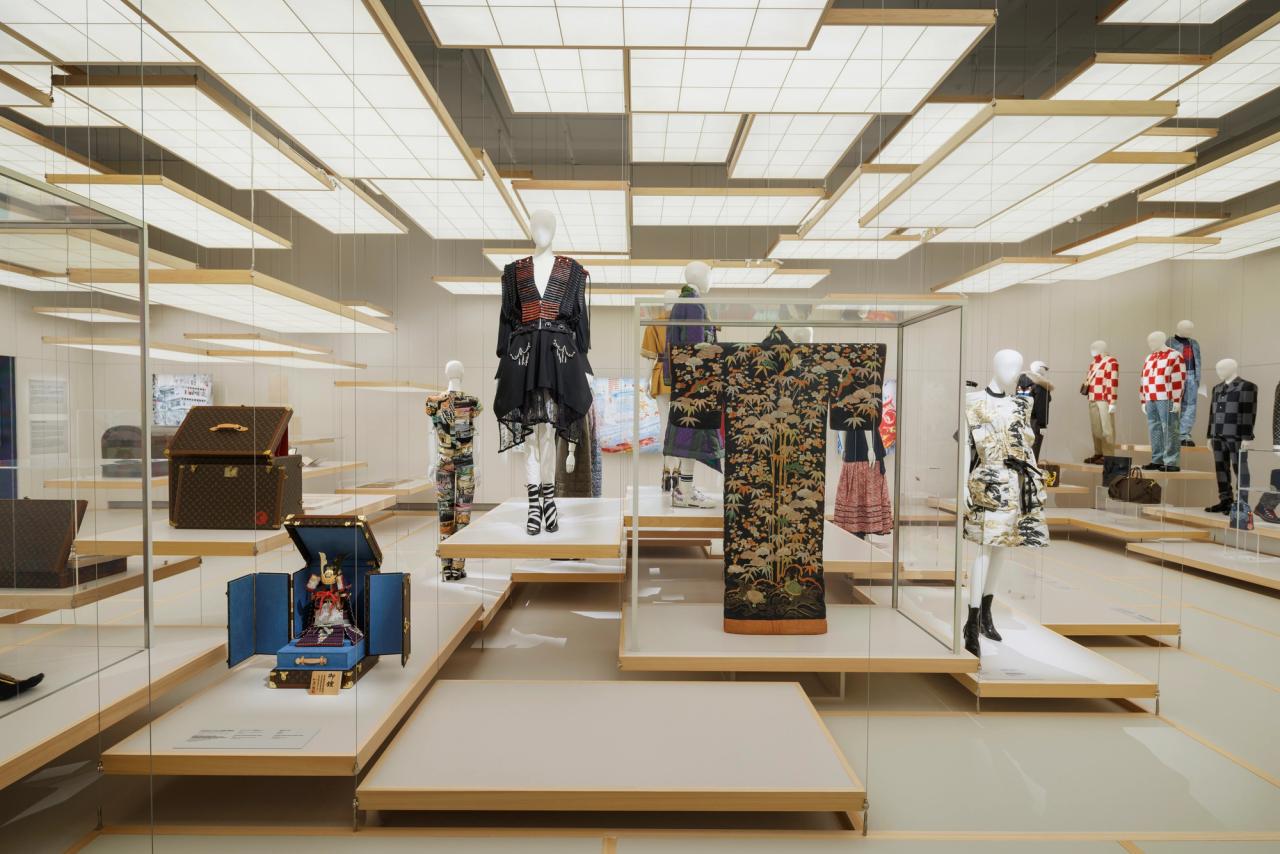
A view of “Visionary Journeys,” a 2025 exhibition designed by OMA and Shigematsu at the Nakanoshima Museum of Art in Osaka, Japan. (Photo: Jeremie Souteyrat)
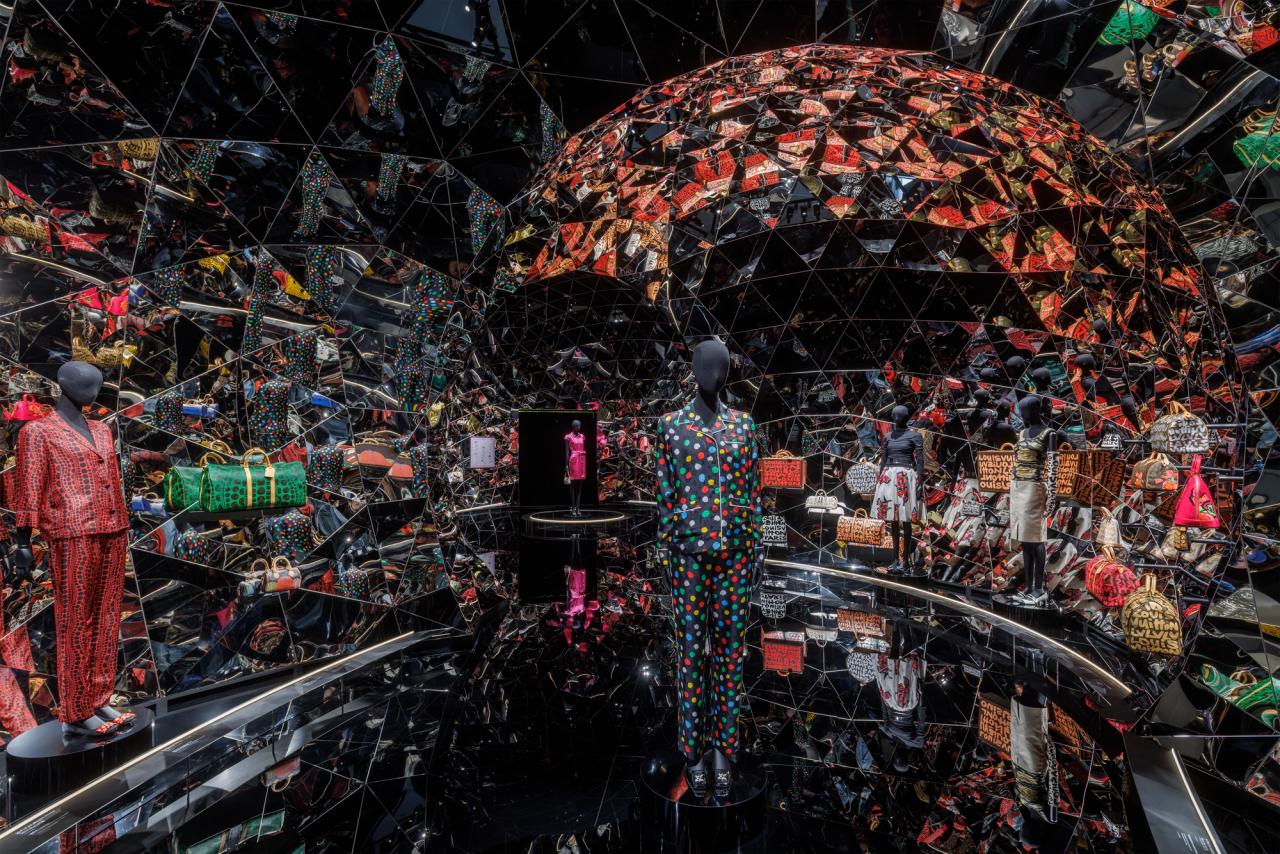
A view of “Visionary Journeys,” a 2025 exhibition designed by OMA and Shigematsu at the Nakanoshima Museum of Art in Osaka, Japan. (Photo: Jeremie Souteyrat)
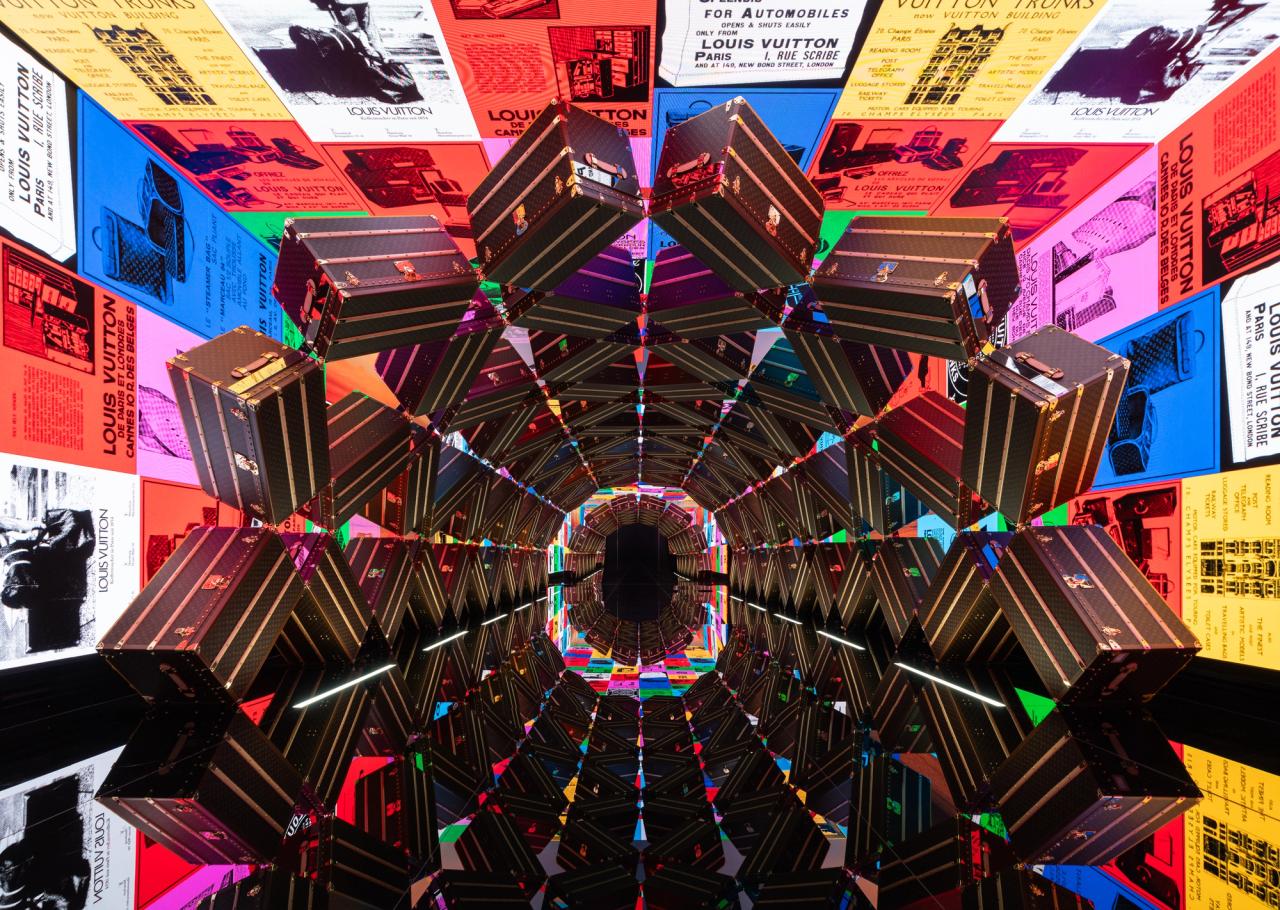
A view of the 2024 “Visionary Journeys” exhibition designed for Louis Vuitton by OMA and Shigematsu in Bangkok, Thailand. (Photo: Kwa Yong Lee/Courtesy Louis Vuitton)
A view of “Visionary Journeys,” a 2025 Louis Vuitton exhibition designed by OMA and Shigematsu at the Nakanoshima Museum of Art in Osaka, Japan. (Photo: Jeremie Souteyrat)
Louis Vuitton’s 2025 “Visionary Journeys” exhibition, designed by OMA and Shigematsu, shown in Shanghai, China. (Courtesy Louis Vuitton)
Louis Vuitton’s 2025 “Visionary Journeys” exhibition, designed by OMA and Shigematsu, shown in Shanghai, China. (Courtesy Louis Vuitton)
Louis Vuitton’s 2025 “Visionary Journeys” exhibition, designed by OMA and Shigematsu, shown in Shanghai, China. (Courtesy Louis Vuitton)
Louis Vuitton’s 2025 “Visionary Journeys” exhibition, designed by OMA and Shigematsu, shown in Seoul, South Korea. (Photo: Kwa Yong Lee/Courtesy Louis Vuitton)
A view of “Visionary Journeys,” a 2025 exhibition designed by OMA and Shigematsu at the Nakanoshima Museum of Art in Osaka, Japan. (Photo: Jeremie Souteyrat)
A view of “Visionary Journeys,” a 2025 exhibition designed by OMA and Shigematsu at the Nakanoshima Museum of Art in Osaka, Japan. (Photo: Jeremie Souteyrat)
A view of the 2024 “Visionary Journeys” exhibition designed for Louis Vuitton by OMA and Shigematsu in Bangkok, Thailand. (Photo: Kwa Yong Lee/Courtesy Louis Vuitton)
A view of “Visionary Journeys,” a 2025 Louis Vuitton exhibition designed by OMA and Shigematsu at the Nakanoshima Museum of Art in Osaka, Japan. (Photo: Jeremie Souteyrat)
Louis Vuitton’s 2025 “Visionary Journeys” exhibition, designed by OMA and Shigematsu, shown in Shanghai, China. (Courtesy Louis Vuitton)
Louis Vuitton’s 2025 “Visionary Journeys” exhibition, designed by OMA and Shigematsu, shown in Shanghai, China. (Courtesy Louis Vuitton)
Louis Vuitton’s 2025 “Visionary Journeys” exhibition, designed by OMA and Shigematsu, shown in Shanghai, China. (Courtesy Louis Vuitton)
Louis Vuitton’s 2025 “Visionary Journeys” exhibition, designed by OMA and Shigematsu, shown in Seoul, South Korea. (Photo: Kwa Yong Lee/Courtesy Louis Vuitton)
A view of “Visionary Journeys,” a 2025 exhibition designed by OMA and Shigematsu at the Nakanoshima Museum of Art in Osaka, Japan. (Photo: Jeremie Souteyrat)
A view of “Visionary Journeys,” a 2025 exhibition designed by OMA and Shigematsu at the Nakanoshima Museum of Art in Osaka, Japan. (Photo: Jeremie Souteyrat)
A view of the 2024 “Visionary Journeys” exhibition designed for Louis Vuitton by OMA and Shigematsu in Bangkok, Thailand. (Photo: Kwa Yong Lee/Courtesy Louis Vuitton)
SB: Yeah. Fashion is also one of the few forms of, I would say, mass culture where craft and quality and slowness are still things that are so important.
SS: Exactly. And speaking of time, I think that fashion has different timelines. Of course, very short ones for the different collections per year, but also they really embrace the history and long-span—
SB: Tradition.
SS: ...tradition and timeline. And it’s very interesting to deal with them. And also architects always have this strange excuse that good design and good financial outcomes cannot coexist. As soon as you make a big office and a corporate structure, you’re like a corporate firm, but look at fashion. Bigger ones can actually deliver a good-quality design and also good financial outcome. In a business sense, it’s an interesting example.
SB: Yeah. Where actually taking your time and doing something at the highest quality can lead to greater profits.
SS: Yeah. It’s easier said than done, but architecture could be more like that, I think.
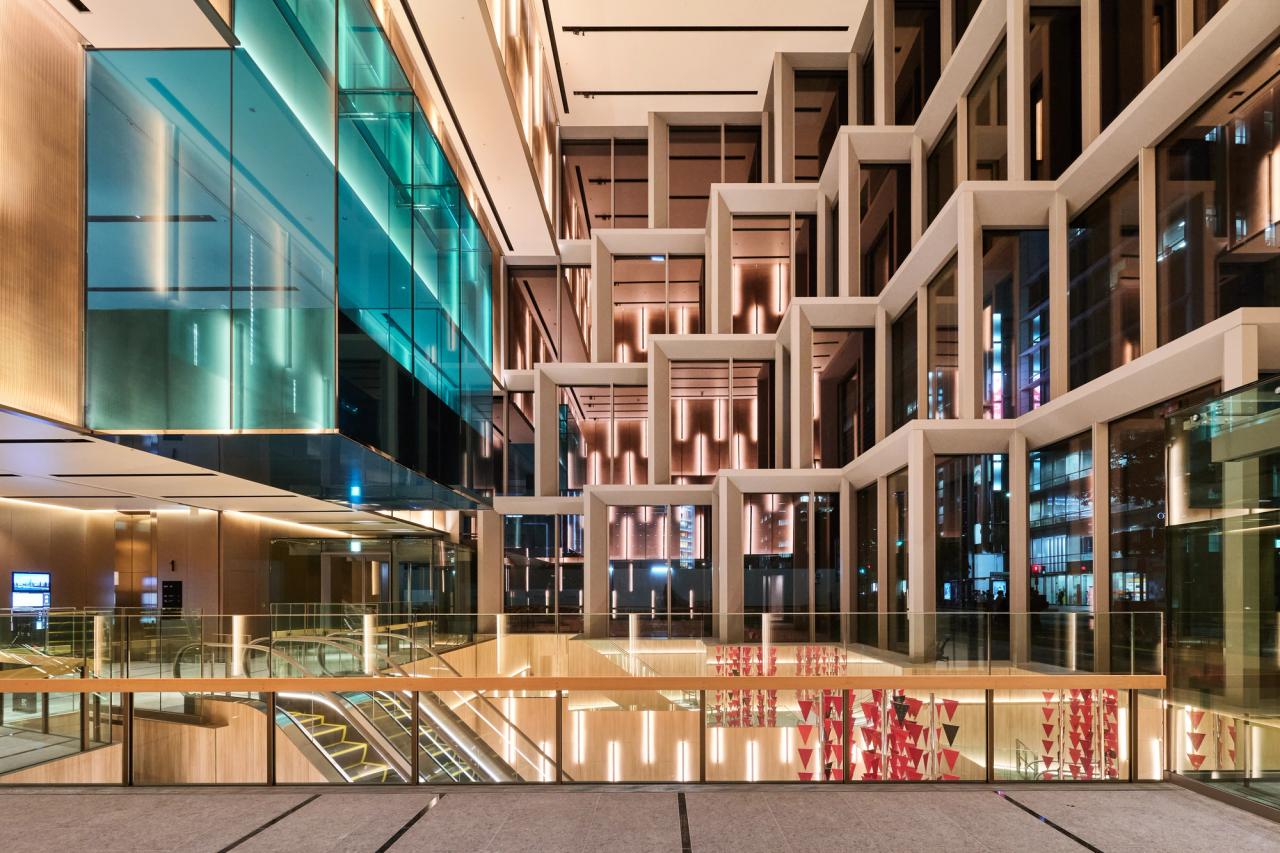
The lobby atrium of the OMA/Shigematsu-designed Tenjin Business Center in Fukuoka, Japan. (Photo: Tomoyuki Kusunose)
SB: I also wanted to ask you about your projects in Japan. Increasingly, you’ve started doing a lot more work there. I’m sure that’s interesting on multiple levels and your full-circle story of coming from Fukuoka and Kurume. Tell me about that, kind of going back to Japan and realizing work there. I know you did a project [Tenjin Business Center] in Fukuoka, in 2021; the new Toranomon Hills Station Tower in Tokyo; and this just-finished project, [Gion] Monogatari, in Kyoto.
SS: Yeah. If I may go back a little, Japan—speaking of time—I was born in ’73, just thirty years after the war ended, right? Only thirty years. Can you imagine? Thirty years now, if you think of thirty years back, Japan was destroyed, of course, in a miserable condition and only in thirty years, had a kind of steep increase in economy. But then when I was born in second Baby Boomer—
SB: The recession.
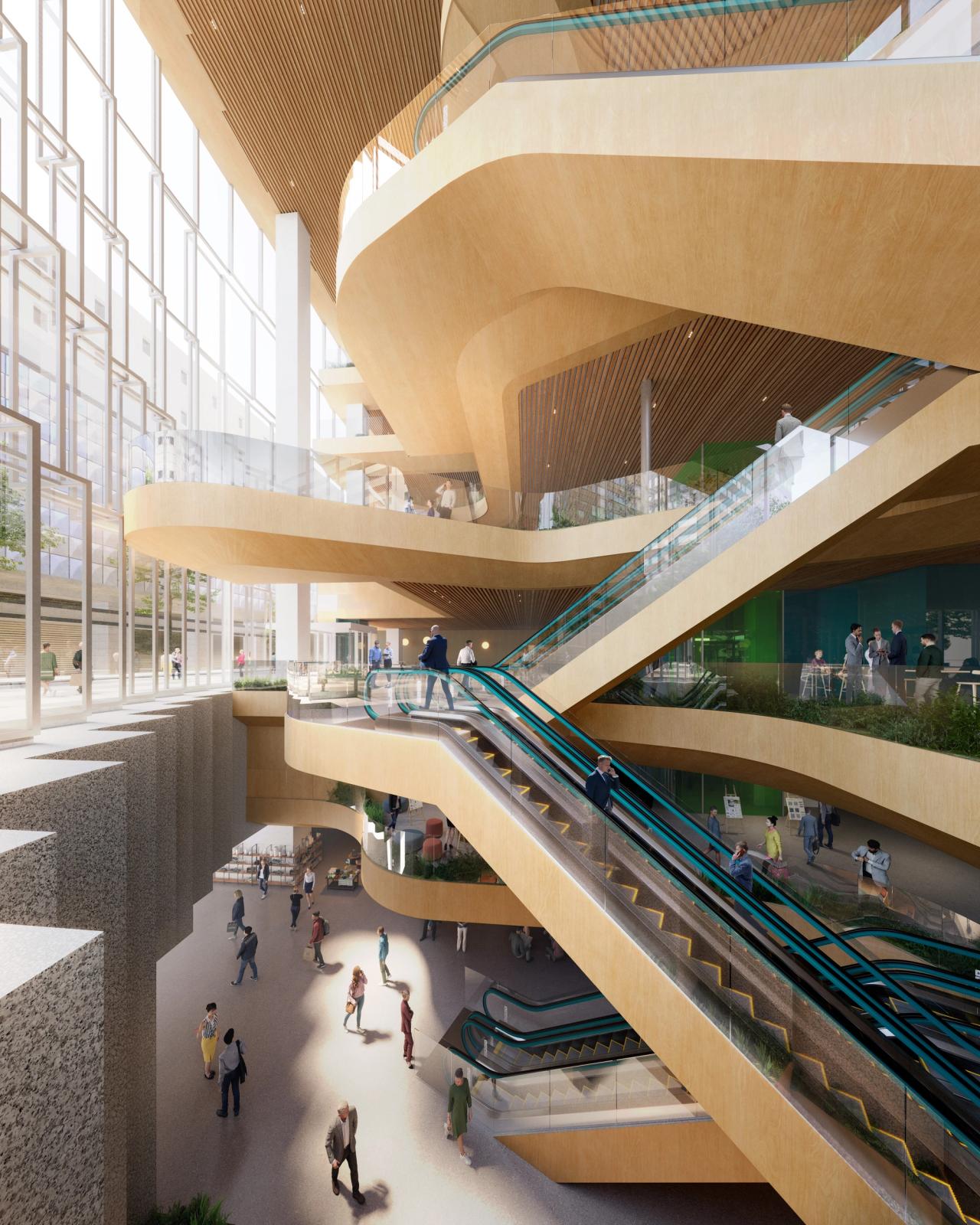
The OMA/Shigematsu-designed Tenjin Business Center in Fukuoka, Japan. (Photo: Tomoyuki Kusunose)
SS: ...the decline started. But the mentality of my parents’ generation was that Japan is becoming more and more stronger and international and credible. Within that, the building of a new city or the physical improvements were part of that image of a stronger Japan. For me, that’s why maybe I chose architecture, being influenced by that generation. Architecture is part of the kind of sign of evolution—which, to some degree, yes, but to some degree, no. And then I went out in the U.S., I lived in Boston when I was little and—
SB: Right. Your dad had a fellowship at M.I.T.
SS: M.I.T. So I saw Saarinen and also the Hancock Building and Boston Commons and all the fabric of Boston. I was very moved, and started to be interested in architecture.
SB: That’s where architecture started for you?
SS: I think so. I wanted to be a film director in the beginning, but I didn’t know how to become a film director in Japan, so I chose architecture. But somehow, then going back to Japan, and after like thirty or forty years of recession, I think Japan had a lot of potential to me, in a way, because Japan had been out of touch with globalization in a strange way. It’s a kind of Galápagos.
Also, Japan is the kind of architecture culture had believed in, or still believes in, its own sense of modernization, because they basically imported Western architecture maybe too easily during the Meiji period and so on. So there’s a kind of sense of reassessing the identity, the architectural identity of Japan. I think it’s still very strong. I really like that part of Japan because originality and the sheer distance to globalization had developed its own cultural direction. So it’s a great honor to be there and work there and contribute to the evolution of that.
Doing projects in Japan has a very different level of ambition to the craft and the execution, precision. Even the collaboration is quite different from here: no egos, and everyone is focused on delivering good design and good execution. I’m not saying that’s good or bad, but it’s just very different. I’m happy that I could work there and think that I’m being part of Japanese culture, because I left Japan immediately after graduation.
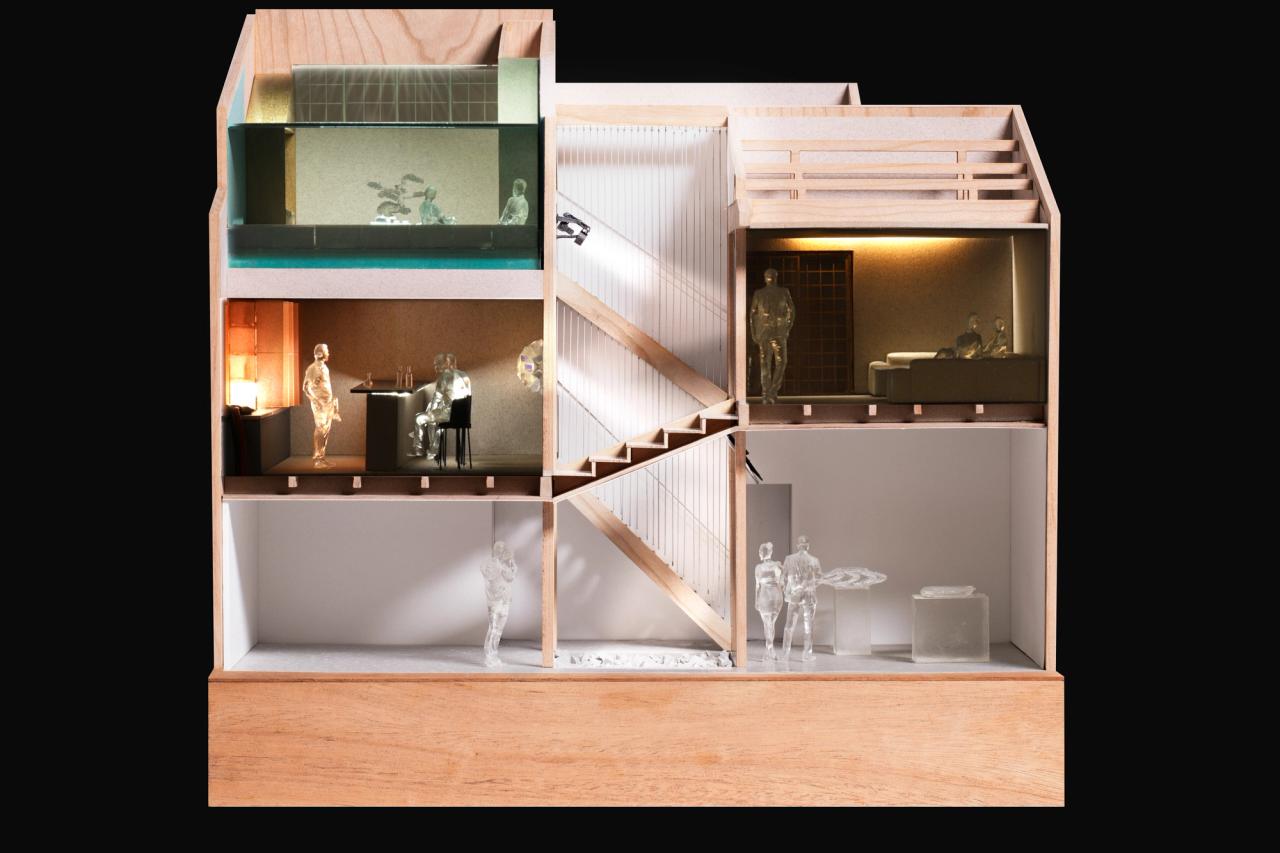
A section model of Gion Monogatari in Kyoto, Japan. (Courtesy OMA New York)
I never thought I would manifest or express my Japaneseness, because it was through OMA that my professional development had evolved. Working there actually questions my identity and [allows me to] think, How should I be, to some degree, a Japanese architect? For those reasons I really enjoy it as a kind of part of the— Not just there, but of course in relation to the projects that I’m doing elsewhere.
SB: Tell me about Monogatari, this new project, which definitely has a... It almost looks like the merging of the very traditional and the modern.
SS: Yeah. So, Monogatari is in Gion. It’s one of the most traditional parts of Kyoto, very tiny streets and a lot of venues where geisha are and a lot of drinking and eating like a nightlife, but in a Kyoto way. It’s the most difficult area to actually build anything. But there was my friend, Genki Kawamura, he’s a notable writer, but also a film director recently. He did a Netflix drama about the geishas in that area, and he got to know a lot of people around. He inherited one machiya, one of the houses there, which is also very rare that outsiders can actually acquire machiya.
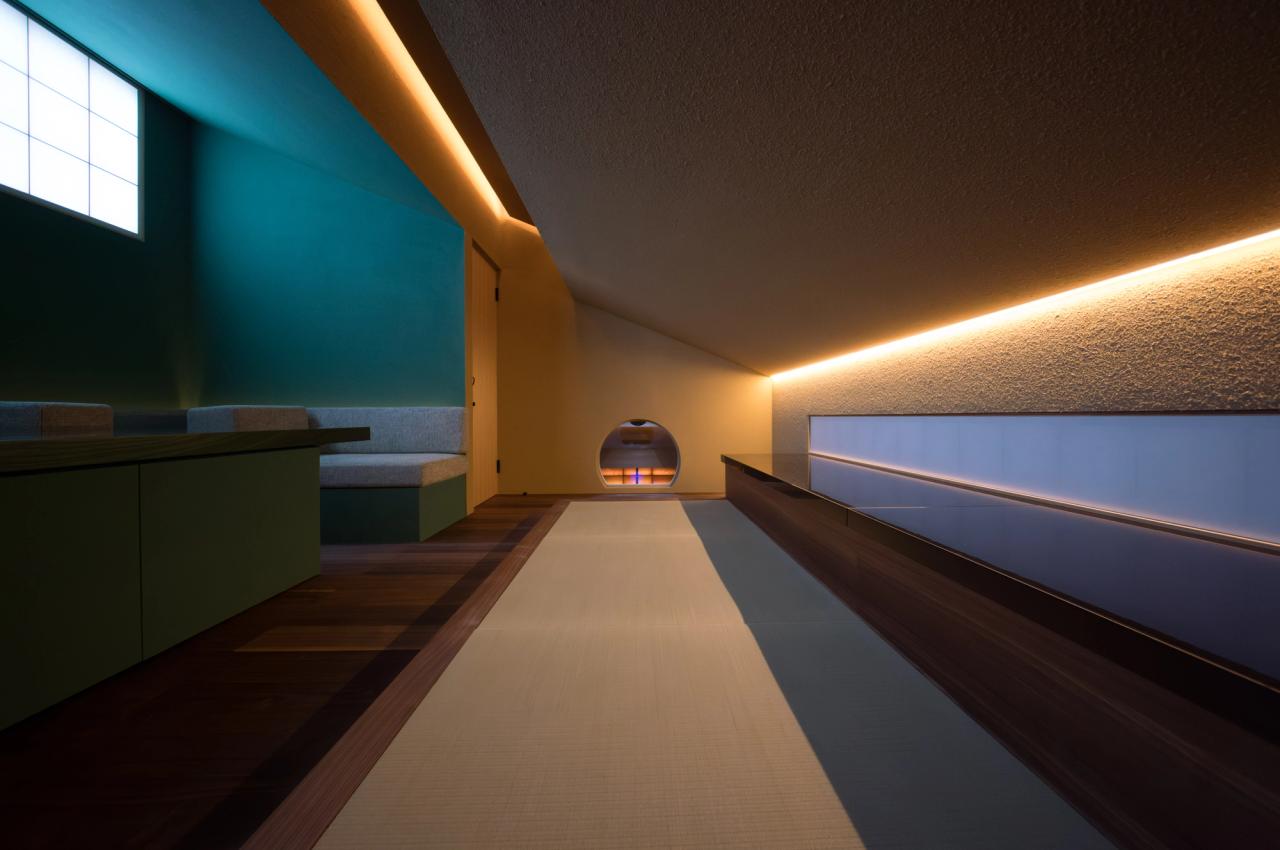
An interior view of Gion Monogatari, a townhouse in Kyoto, Japan, designed by OMA and Shigematsu. (Copyright Monogatari, 2025/Photo: Tomohiko Ishii)
He acquired [one] and he thought he should do something cultural, but also a salon where he can actually invite international people there. So he commissioned me to do architecture. So I did like a skip-floor section where it starts with gallery, then bar, and then the lounge, and then another kind of secret attic that are all encompassed around, let’s say an atrium or courtyard, which refers to an old Kyoto typology called tsuboniwa, which is a kind of small courtyard that to bring natural light because Kyoto typology is very deep from the street to bring. So they had to bring natural light with small courtyards.
But in order to do something more interesting than just referring to traditional typology, we decided to make that courtyard as something more contemporary by commissioning an artist to rethink how the courtyard could be. At that moment, I worked with Olafur Eliasson on Buffalo AKG. He did this courtyard roof. So I asked Olafur if he’s interested to do an installation responding to my architecture. He did it, and basically there’s a beam of light and there are three different types of mirrors that are inserted in each level of the skipped floor. It starts with that attic. The beam starts and then goes to the glass that has a mirror footprint on the lounge, and then goes to the bar, where it has a kind of rotating half globe that beams. Half of the light reflects, but half of the light kind of sprinkles through that kind of dome. Then, in the end, a kind of a warped stainless-steel mirror that projects a very abstract light trace onto the courtyard at the bottom.
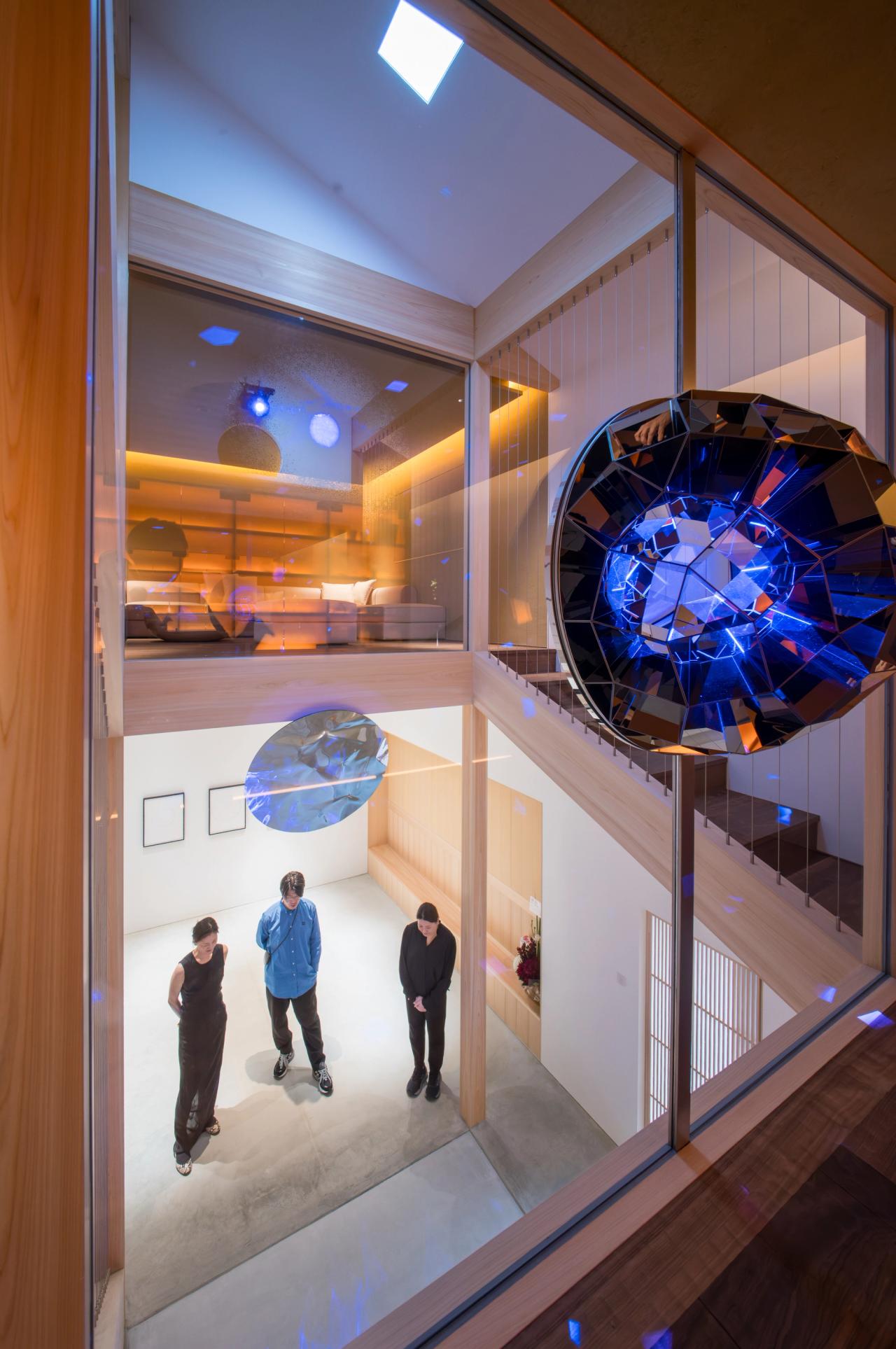
An interior view of Gion Monogatari, a townhouse in Kyoto, Japan, designed by OMA and Shigematsu. (Copyright Monogatari, 2025/Photo: Tomohiko Ishii)
It was kind of interesting how the film director asked me to do architecture and his brief was just a story scenario, never, “Please make this room, that room.” He wrote a story of what he imagines that space wanted to have, a story. So I read the story, and then I came up with the architecture, and then Olafur basically reacted to the architecture. It was a very interesting kind of collaboration, but also a sequence of events.
SB: Filmmaker, architect, and artist.
SS: Yeah.
SB: Well, to close, I was thinking about your timeline at OMA New York. You arrived right before the 2007 financial crisis, and you’ve seen so much social, political, and environmental change over the past twenty years. Not to mention the Covid-19 pandemic. How do you think about these two decades, like this evolution, your practice over this time, and what are your hopes, aims, dreams, ideas for the next twenty? How do you project for the future?
SS: Well, of course I have some worries about where the U.S. and New York is going with these government changes and how New York is also becoming very difficult to live [in] for young artists or young architects. I have some concerns, but twenty years, I think this up-and-down pendulum of left to right, to safe to dangerous, to social to antisocial, I think it just kind of trains me to believe in the energy of the city and the rejuvenating energy or restructuring energy, which in Japan it’s much more stable, right?
I really hope that the younger generation, also us, should believe that there are next steps for the city in general. I think it’s not like New York, Tokyo, Paris, London is the final form of the city, but we should believe that there is a form of a city that suits the current society, the current world. I think the younger generation is somewhat getting there by not being interested in New York or big cities, but also I hope these profound changes that happen through Covid—and also the political situation now, et cetera—will give another trigger for thinkers to think deeply and differently, to actually reflect what’s happening now to the future. It sounds like I’m just relying on those people, but I also would love to rethink the way I’m engaging the city, which I don’t really know how, but I think the hint is a little bit what I said about the New Museum and being open-ended, openness. Architecture should be more like the city, providing an area that could be flexible enough to contain activity that used to happen in the city.
“It’s not like New York, Tokyo, Paris, London is the final form of the city, but we should believe that there is a form of a city that suits the current world.”
SB: Yeah. Well, and I think you’re a prime example of someone who was born in a recession, has seen your career through those ups and downs, those peaks and valleys, and I think you’ll continue to find ways to innovate. Certainly, you’re somebody who’s an example of someone who has, through those difficult moments, found creative solutions.
SS: Hopefully. I have a theory that the downturns are as rewarding as the upturns, which I say that, but of course it’s difficult. But in the U.S., it’s quite difficult right now, I think.
SB: I think that’s a good message to end on, which is this idea that even in the worst of times, you can look forward in ways that are positive.
SS: Yes. I did research at Harvard that downturns are the moment that a lot of resets happen in a lot of manifestos. A lot of good books are typically written in those periods. [Laughter]
SB: Sho, thank you. Thank you for coming on the podcast.
SS: Thank you, Spencer.
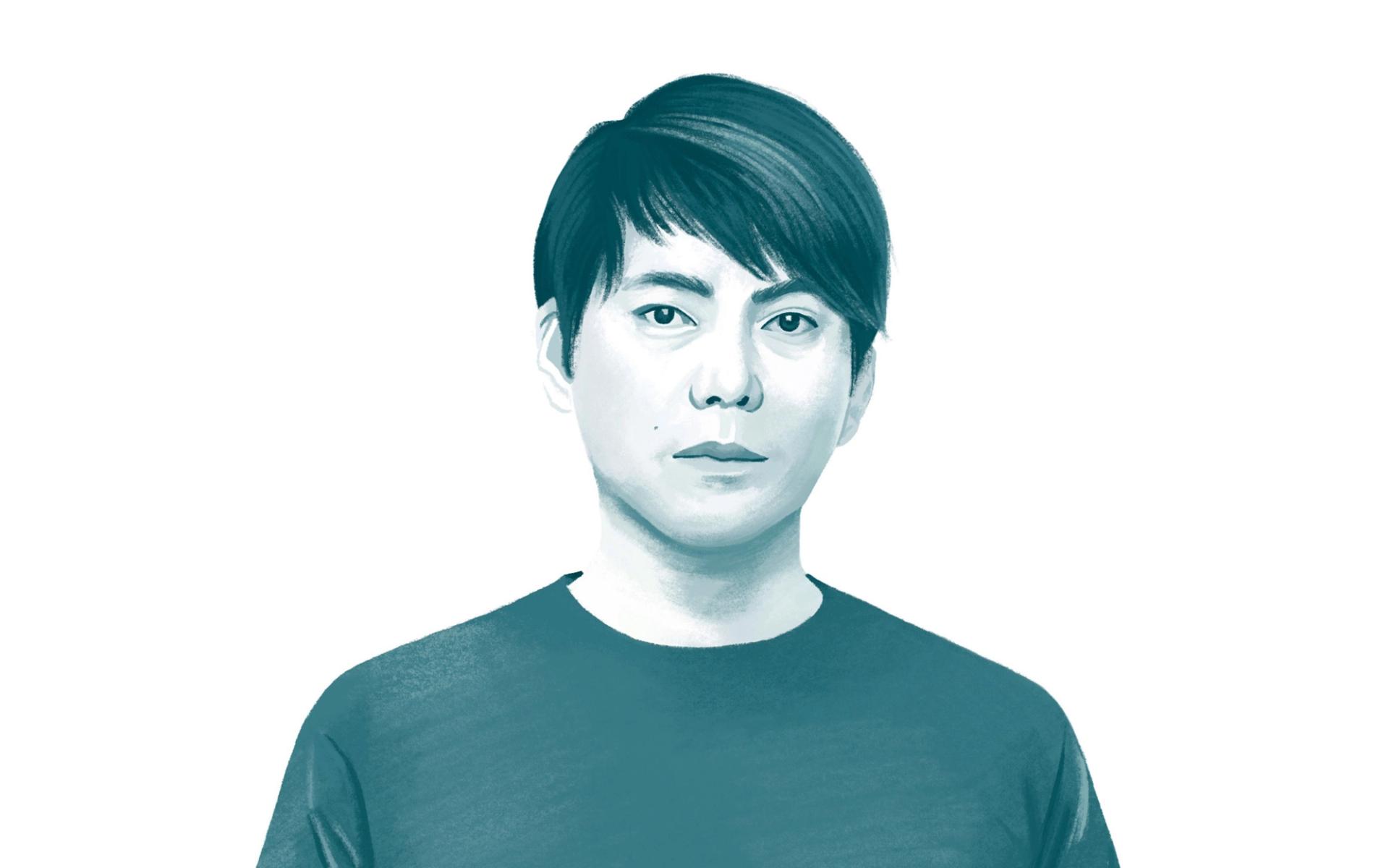
This interview was recorded in room 9S at the Hotel Chelsea on February 5, 2026. The transcript has been slightly condensed and edited for clarity. The episode was produced by Olivia Aylmer, Ramon Broza, Mimi Hannon, and Johnny Simon. Illustration by Paola Wiciak based on a photograph by Julian Cassady.
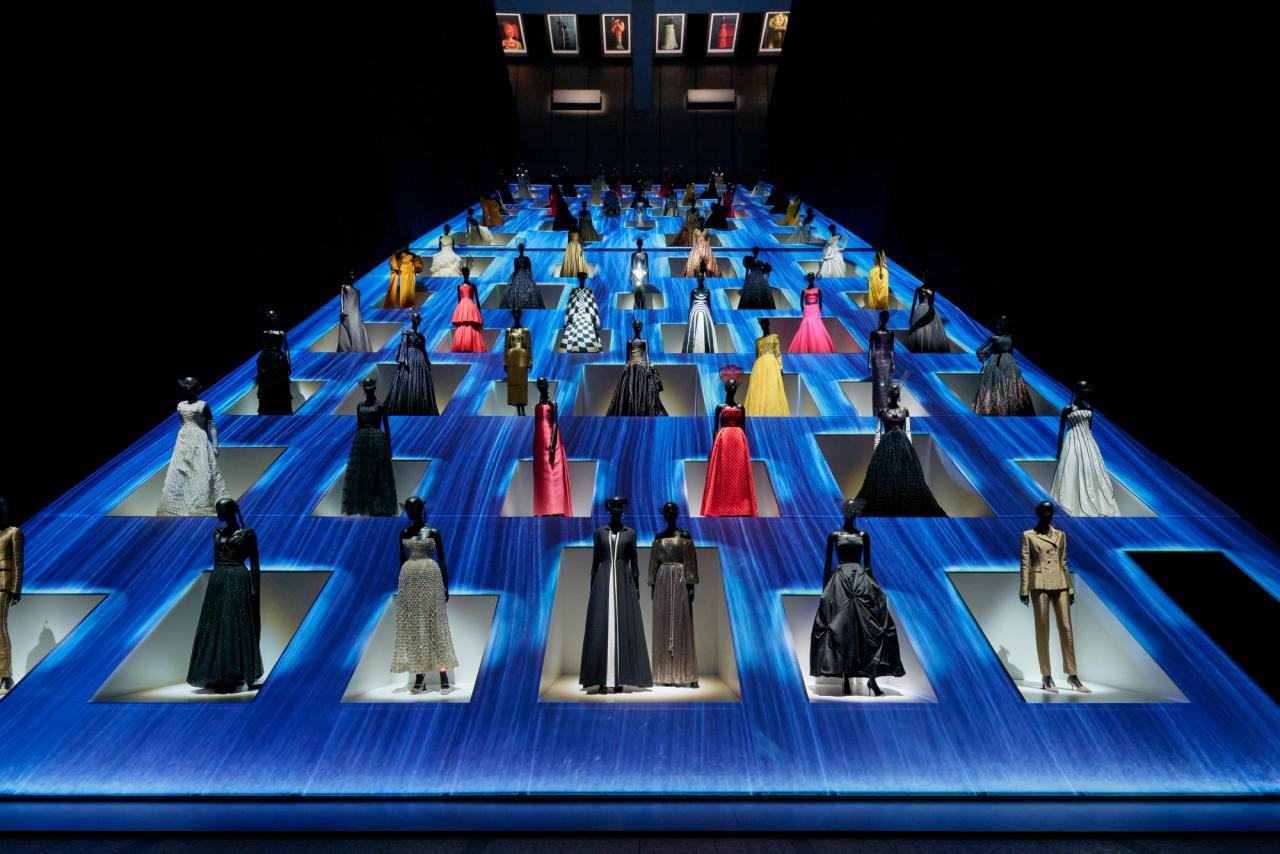
A view of the 2022 "Christian Dior: Designer of Dreams" exhibition at the Museum of Contemporary Art in Tokyo, Japan. (Photo: Daici Ano/Courtesy Dior)
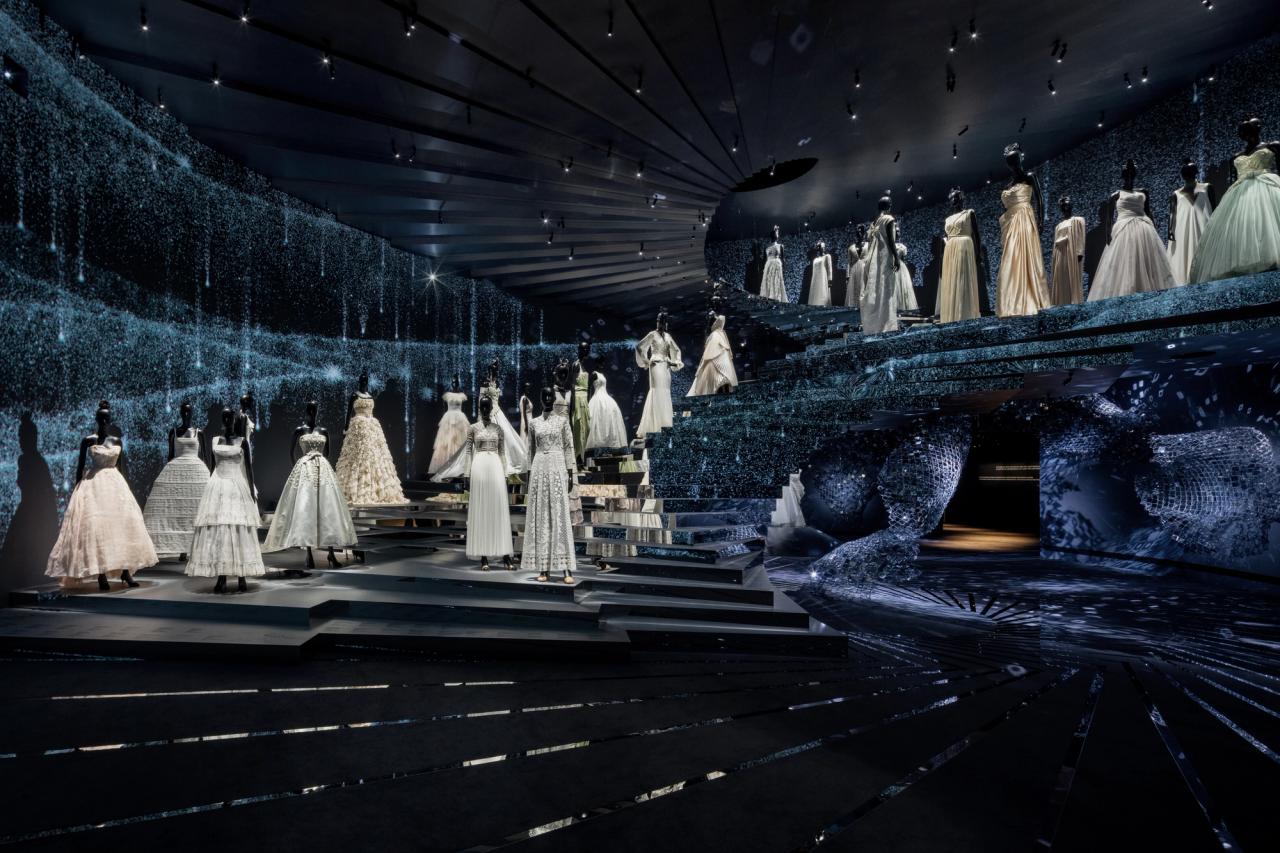
A view of the 2022 "Christian Dior: Designer of Dreams" exhibition at Dongdaemun Design Plaza in Seoul, Korea. (Photo: Kyungsub Shin)
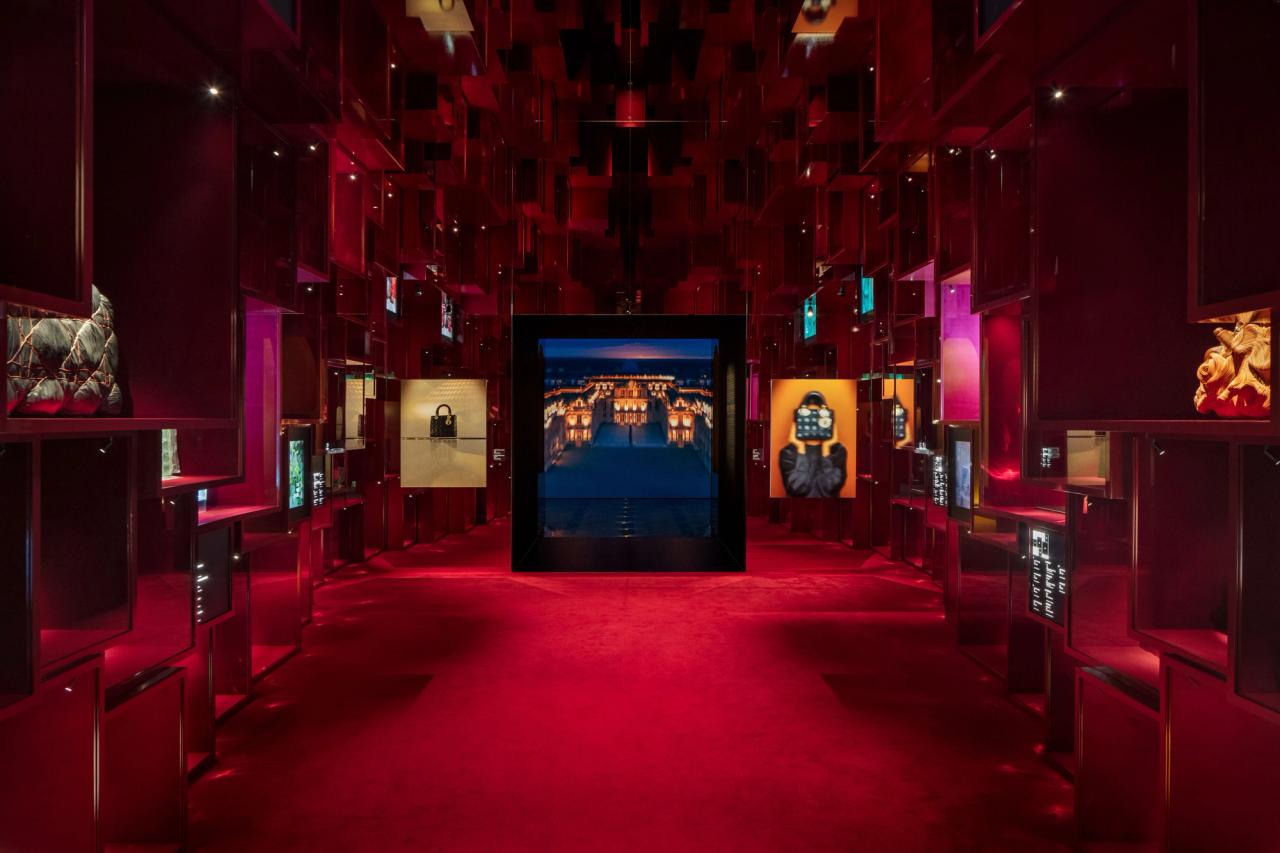
A view of the 2022 "Christian Dior: Designer of Dreams" exhibition at Dongdaemun Design Plaza in Seoul, Korea. (Photo: Kyungsub Shin)
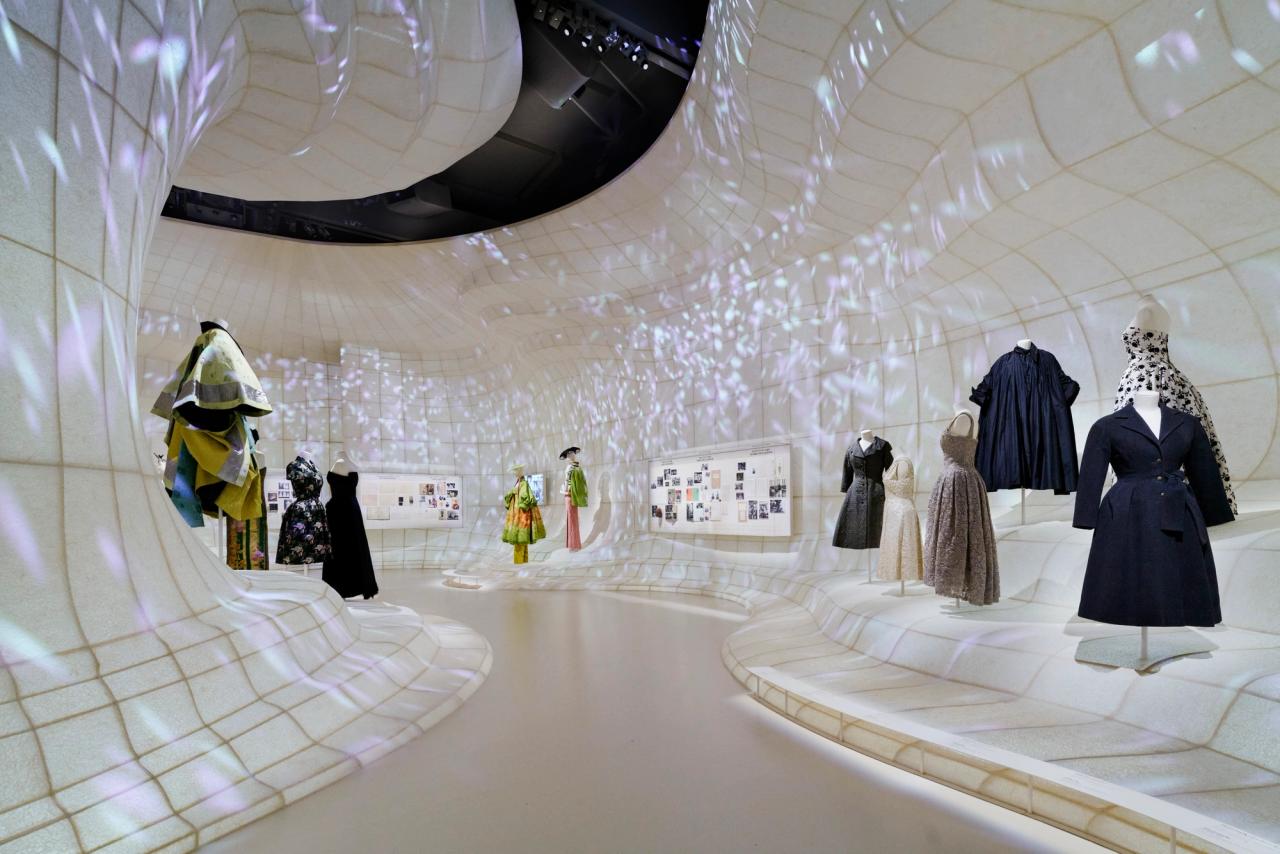
A view of the 2022 "Christian Dior: Designer of Dreams" exhibition at the Museum of Contemporary Art in Tokyo, Japan. (Photo: Daici Ano/Courtesy Dior)
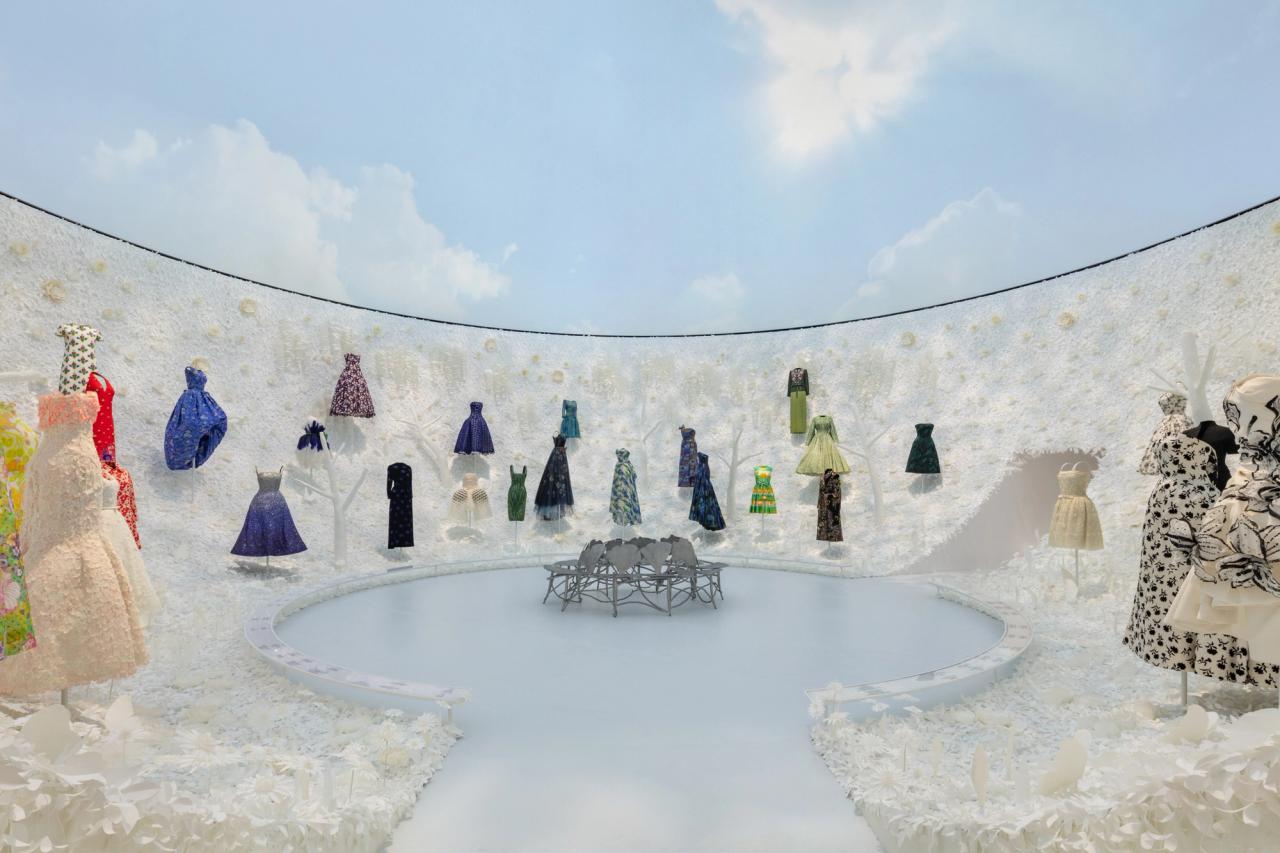
A view of the 2022 "Christian Dior: Designer of Dreams" exhibition at Dongdaemun Design Plaza in Seoul, Korea. (Photo: Kyungsub Shin)
A view of the 2022 "Christian Dior: Designer of Dreams" exhibition at the Museum of Contemporary Art in Tokyo, Japan. (Photo: Daici Ano/Courtesy Dior)
A view of the 2022 "Christian Dior: Designer of Dreams" exhibition at Dongdaemun Design Plaza in Seoul, Korea. (Photo: Kyungsub Shin)
A view of the 2022 "Christian Dior: Designer of Dreams" exhibition at Dongdaemun Design Plaza in Seoul, Korea. (Photo: Kyungsub Shin)
A view of the 2022 "Christian Dior: Designer of Dreams" exhibition at the Museum of Contemporary Art in Tokyo, Japan. (Photo: Daici Ano/Courtesy Dior)
A view of the 2022 "Christian Dior: Designer of Dreams" exhibition at Dongdaemun Design Plaza in Seoul, Korea. (Photo: Kyungsub Shin)
A view of the 2022 "Christian Dior: Designer of Dreams" exhibition at the Museum of Contemporary Art in Tokyo, Japan. (Photo: Daici Ano/Courtesy Dior)
A view of the 2022 "Christian Dior: Designer of Dreams" exhibition at Dongdaemun Design Plaza in Seoul, Korea. (Photo: Kyungsub Shin)
A view of the 2022 "Christian Dior: Designer of Dreams" exhibition at Dongdaemun Design Plaza in Seoul, Korea. (Photo: Kyungsub Shin)
A view of the 2022 "Christian Dior: Designer of Dreams" exhibition at the Museum of Contemporary Art in Tokyo, Japan. (Photo: Daici Ano/Courtesy Dior)
A view of the 2022 "Christian Dior: Designer of Dreams" exhibition at Dongdaemun Design Plaza in Seoul, Korea. (Photo: Kyungsub Shin)